


We often speak of vitamin D as a nutrient, grouping it with vitamin C or zinc. Biologically, this is a misnomer. Vitamin D is actually a steroid pro-hormone. It interacts with over 3,000 genes in your body, influencing everything from calcium absorption to immune modulation.
In the European winter, maintaining optimal levels of this hormone becomes a challenge of physics and biology. Here is the deeper science of what is happening to your system right now.
1. The Physics: The “Zenith Angle” Problem
Why can't you just go outside for 20 minutes in January and get your dose?
It comes down to the solar zenith angle. For UVB rays to penetrate the atmosphere effectively enough to trigger cutaneous synthesis (production in the skin), the sun needs to be at an angle of roughly 50 degrees or higher.
In Northern Europe (e.g., Berlin, London, Amsterdam) during winter, the sun rarely rises above 20–30 degrees. The atmosphere filters out almost 99% of the UVB radiation required for vitamin D production.
- The “Shadow Rule”: A simple way to test this: If your shadow is longer than you are tall, the sun angle is too low for vitamin D synthesis. In January, your shadow is almost always longer than you.
2. The Biochemistry: From Skin to Storage
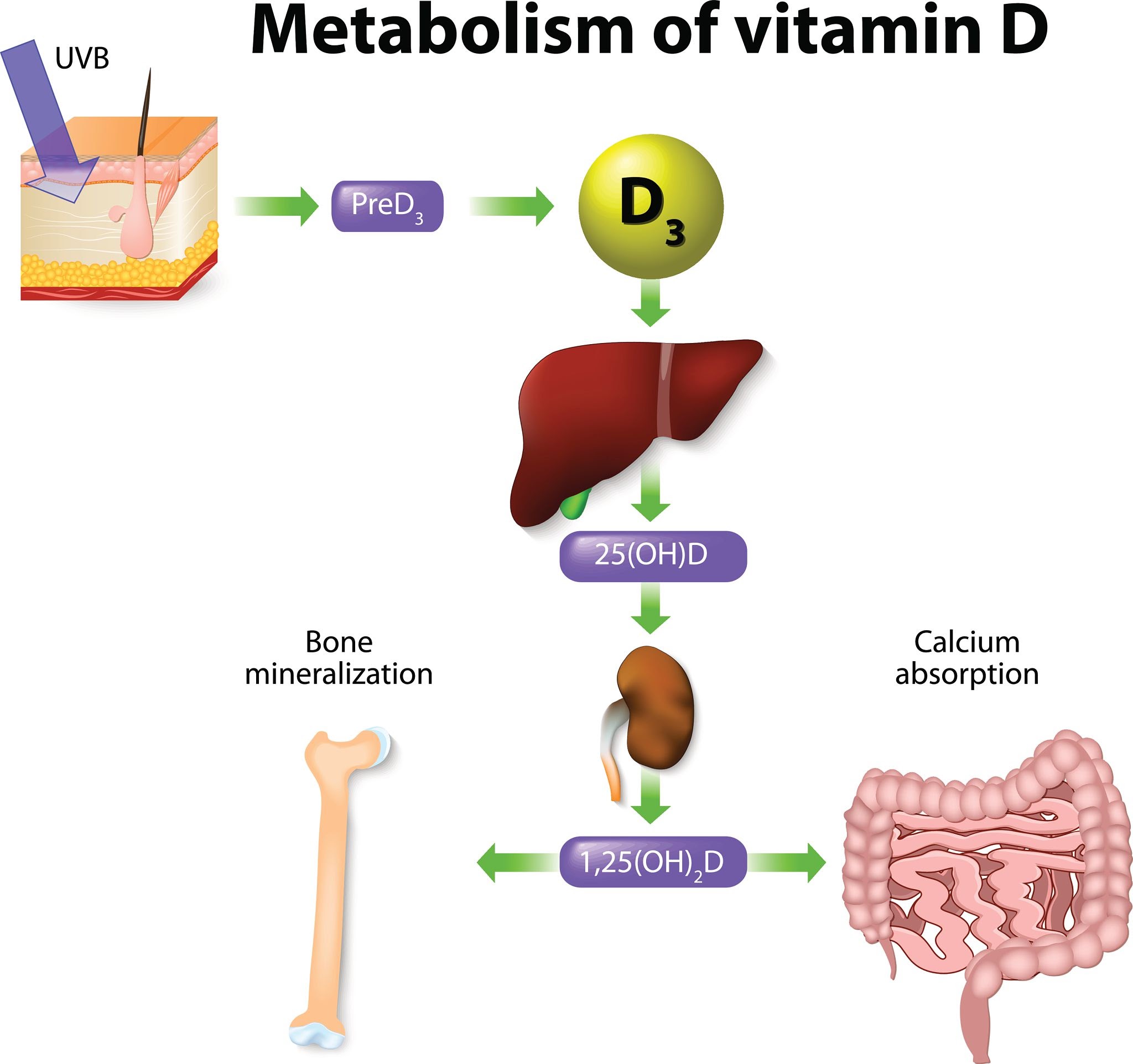
When you take a supplement (or get sun in summer), you aren't getting the active form immediately. It’s a multi-step metabolic journey:
- D3 (Cholecalciferol) enters the bloodstream.
- Hydroxylation (The Liver's Job): Your liver converts D3 into 25-hydroxyvitamin D [25(OH)D]. This is the stable form that Aware.app tests measure.
- Activation (The Kidney's Job): When needed, the kidneys convert it into 1,25-dihydroxyvitamin D, the biologically active form.
The Insight: This is why liver health is relevant for vitamin D status. If your liver enzymes are elevated or functioning sub-optimally (see our article on Dry January), your ability to convert and store vitamin D can be compromised.
Getty Images
3. The Missing Link: The Magnesium Cofactor
This is the most common reason for “stalled” progress. You are taking vitamin D supplements, but your blood test results aren't moving up. Why?
Magnesium is a required cofactor for the enzymes that metabolize vitamin D.
- The enzymes in the liver (to create 25(OH)D) and the kidneys (to activate it) are magnesium-dependent.
- If you are deficient in magnesium (common in active populations), your body cannot effectively process the vitamin D you are taking. It remains biologically inactive.
The takeaway: High-dose vitamin D supplementation without adequate magnesium can actually deplete your magnesium reserves further, leading to muscle cramps or fatigue.
4. The Immune Mechanism: Antimicrobial Peptides
We know vitamin D contributes to the “normal function of the immune system” (EFSA Health Claim). But how?
One key mechanism is the production of cathelicidins and defensins. These are antimicrobial peptides found in white blood cells (macrophages and neutrophils). Vitamin D acts as a signaling key that “turns on” the genes responsible for producing these peptides, which form the front line of your innate immune defense.
5. Why “Guessing” is Risky (Bioaccumulation)
Unlike vitamin C, which is water-soluble and excreted if you take too much, vitamin D is fat-soluble. It accumulates in your adipose tissue.
While toxicity is rare, blind supplementation of high doses (e.g., 10,000 IU daily) over long periods without testing can lead to hypercalcemia (too much calcium in the blood), which can calcify arteries.
The Strategy:
- Test: Establish your baseline [25(OH)D] level.
- Titrate: Adjust your intake based on the gap between your result and the optimal reference range.
- Support: Ensure your magnesium intake is sufficient to process the D3.
This winter, treat your vitamin D strategy with the precision of a hormone therapy, not just a multivitamin.
Ready to take charge of your health?


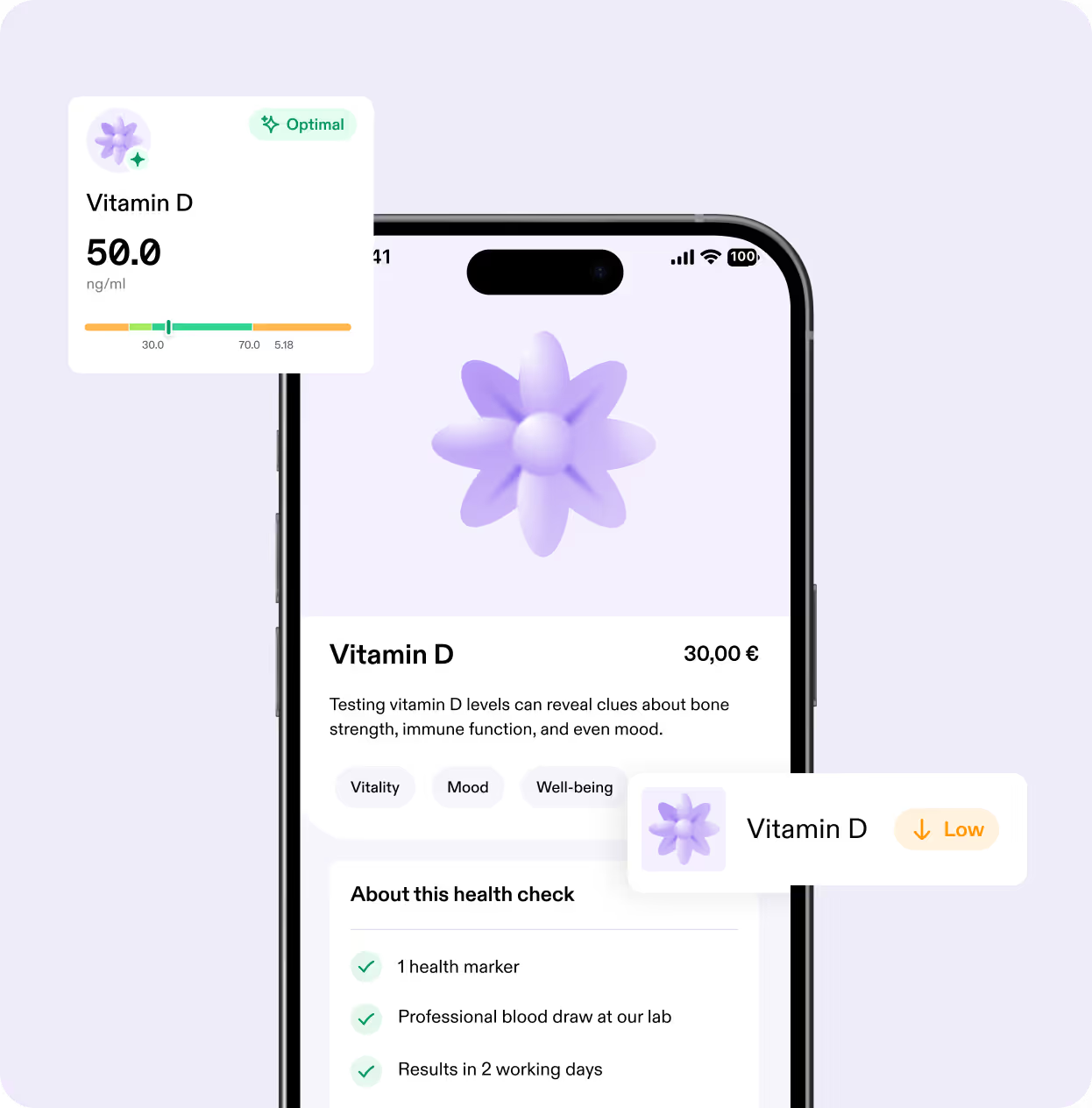
Vitamin D Package
Testing vitamin D levels can reveal clues about bone strength, immune function, and even mood.
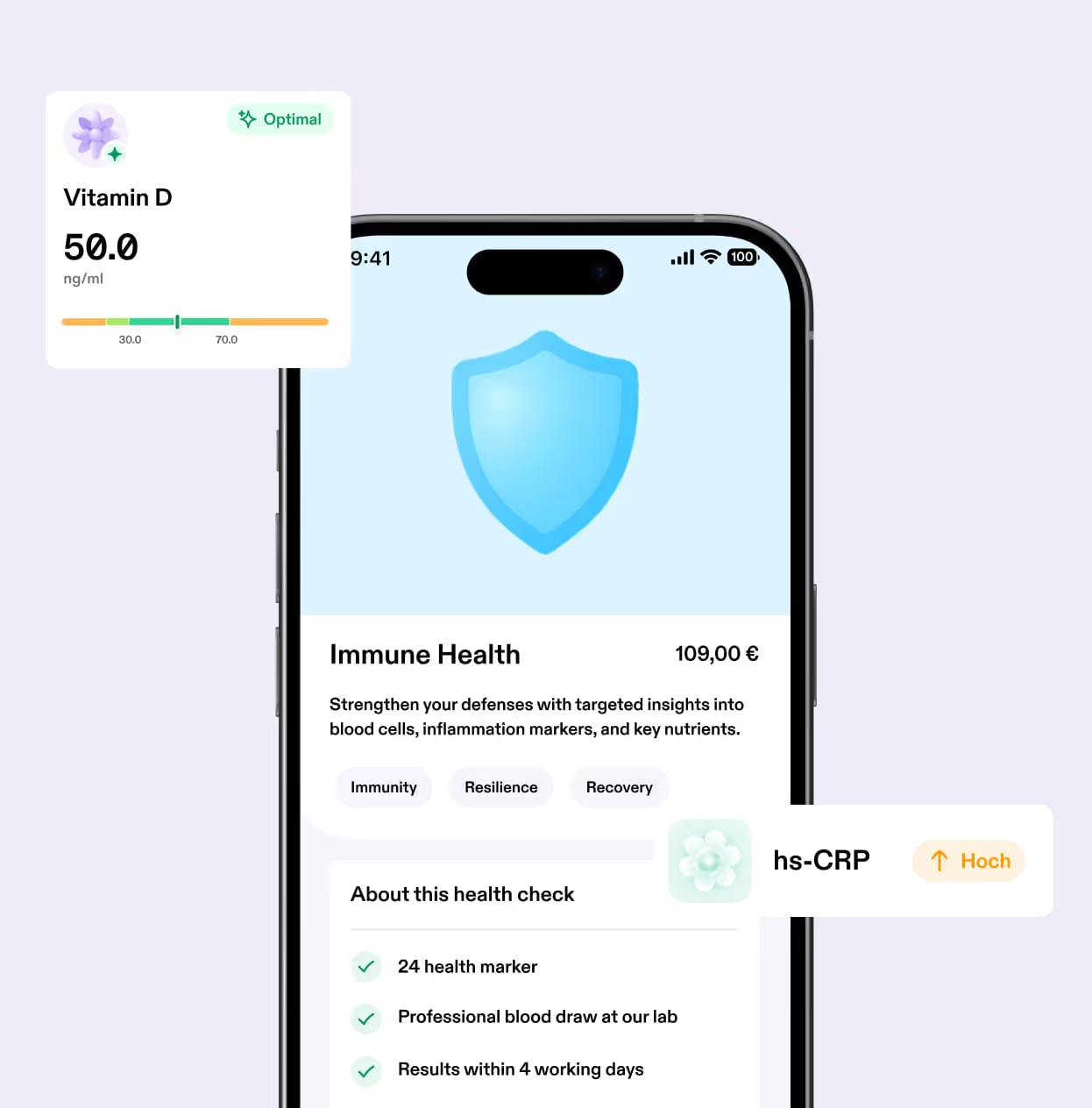
Immune Health Package
Strengthen your defenses with targeted insights into blood cells, inflammation markers, and key nutrients.
Subscribe to our newsletter!
Articles, tips, and offers. Straight to your inbox.


Ready to take charge of your health?
Check, track, and improve your health and well-being.




.avif)
