


GLP-1 medications like semaglutide have changed what's possible for people dealing with serious weight challenges. The results, for many, are real. But the medication itself is only part of the picture.
What most people don't hear enough about is what's happening inside their body during the process. Blood glucose shifts. Muscle mass changes. The liver, kidneys, and thyroid all respond to the metabolic upheaval. Sometimes that response is smooth. Sometimes it needs attention.
That's where regular blood testing earns its place. Not as a formality, but as the clearest early-warning system you have. If something is drifting in the wrong direction, your blood shows it weeks before you feel it. And if everything is on track, your results give you the kind of confidence that keeps you going.
What GLP-1 Medications Actually Do in Your Body
GLP-1 agonists mimic a hormone your gut releases after eating. They slow gastric emptying, reduce appetite signals in the brain, and trigger insulin release in response to blood glucose. The net effect: you eat less, your blood sugar stabilises, and over time, your weight comes down. That sounds clean. In practice, it's a significant metabolic shift. Organs that were handling a different energy load now have to adjust. Nutrient absorption slows down. Calorie intake drops, sometimes sharply. The body responds by changing how it uses stored energy, which is largely good, but not without consequences worth monitoring. Clinical data shows that approximately 25–40% of weight lost on GLP-1 therapy can come from lean muscle mass rather than fat, depending on diet and activity levels. That's a meaningful number, and one that regular testing can help you address before it becomes a problem.
Why this matters beyond the scale?
Losing muscle while on GLP-1 medication can affect your metabolism long-term, reduce strength, and make weight regain more likely after stopping. Blood tests help you and your doctor intervene early by adjusting protein intake, adding resistance training, or reviewing your dose.
Ready to take charge of your health?


The Key Biomarkers to Monitor on GLP-1 Therapy
These are the values your blood reveals that a bathroom scale cannot. Each one tells a specific story about how your body is adapting.
Studies of GLP-1 users found that those who had regular metabolic monitoring were more likely to maintain weight loss at 12 months. Consistent feedback appears to support better decisions about diet, activity, and supplementation.
When to Test: A Practical Monitoring Timeline
This is your reference point for everything that follows. Without a baseline, you have no way to tell whether a change is meaningful or just normal variation. At minimum: glucose, HbA1c, lipid panel, liver enzymes, kidney function, thyroid, iron, B12, vitamin D.
4–8 weeks
The first meaningful metabolic shifts show up here. Early glucose and liver enzyme changes are detectable, and if you're eating significantly less, nutritional gaps may already be appearing. A targeted repeat of metabolic markers gives you early feedback.
3 months
HbA1c becomes meaningful here. This is also when muscle loss patterns, if they're occurring, start to show in protein markers. A broader panel at this stage can help you and your doctor make informed adjustments.
Every 6 months
For long-term users, twice-yearly testing keeps you ahead of any slow-moving changes in kidney function, thyroid, or nutritional status. It also tracks cardiovascular risk improvement over time, which is one of the strongest arguments for the medication in the first place.
How to Track Your Biomarkers with Aware
Aware tests more than 70 biomarkers from a single blood sample, with results delivered clearly and in context, not just as numbers with reference ranges you have to decode yourself.
For anyone on GLP-1 therapy, the Aware Metabolic & Hormone Panel covers the critical markers above: glucose metabolism, liver and kidney function, thyroid, lipids, inflammation, and key micronutrients including B12, iron, and vitamin D. You can order a baseline before starting, then repeat at the intervals that make sense for your situation.
Every result comes with an explanation of what it means and, where relevant, what may be worth discussing with your doctor. Aware does not replace your prescribing physician. It gives you the information to have better conversations with them.
What to Do When Results Come Back
Getting results is the start, not the end. Here's how to approach common findings.
If glucose isn't improving as expected
This may point to dietary patterns that are still spiking blood sugar despite lower overall intake, or may suggest your dose needs to be reviewed with your prescriber. It's also worth looking at sleep quality and stress levels, both of which directly affect insulin sensitivity.
If liver enzymes are elevated
A mild transient rise can occur with rapid weight loss as the liver processes released fatty acids. If it persists at the next test, your doctor should be informed. It does not necessarily mean something is seriously wrong, but it warrants attention.
If albumin or protein markers are low
This is usually a nutrition signal. Prioritising high-quality protein sources, especially when appetite is suppressed by medication, can make a real difference. Aim for adequate protein per kilogram of body weight daily, especially if you're doing any resistance training.
If thyroid levels shift
This should always be discussed with your prescribing doctor. GLP-1 medications and thyroid function have a relationship that is still being studied. A shift in TSH is not necessarily cause for alarm, but it needs professional interpretation.
Frequently Asked Questions
Do I need blood tests while taking Ozempic or Wegovy?
Regular blood tests are strongly recommended. GLP-1 medications affect your metabolism, blood glucose, liver, kidneys, and nutritional status. Monitoring these markers helps detect any complications early and ensures the therapy is working as intended. Your prescribing doctor should be overseeing this, but self-testing with a panel like Aware's gives you more frequent visibility.
Can GLP-1 medications damage the kidneys or liver?
Current evidence suggests that GLP-1 agonists are generally well-tolerated by the kidneys and may even be protective in some patients with existing kidney disease. The liver often shows improvement in fat content over time. However, rapid weight loss can temporarily stress both organs, which is why monitoring liver enzymes and kidney function markers throughout therapy is important.
Will I lose muscle mass on a GLP-1 medication?
It is a real risk, particularly without adequate protein intake and resistance exercise. Research suggests that lean mass can account for a significant portion of weight lost if diet and training aren't optimised alongside the medication. Blood markers like albumin and total protein can give an early indication if this is happening.
How often should I get blood tests while on GLP-1 therapy?
A reasonable schedule would be a comprehensive baseline before starting, a focused follow-up at 4–8 weeks, a broader panel at 3 months when HbA1c becomes meaningful, and then every 6 months for ongoing monitoring. Higher-risk individuals or those experiencing side effects may need more frequent checks, as agreed with their doctor.
What is the most important biomarker to track on GLP-1 therapy?
There isn't a single answer, because different markers cover different risks. If you had to choose the most informative trio, HbA1c and fasting glucose tell you how your blood sugar control is responding, liver enzymes flag any early hepatic stress, and albumin gives you a read on protein nutritional status. A full panel covers all three alongside the wider picture.
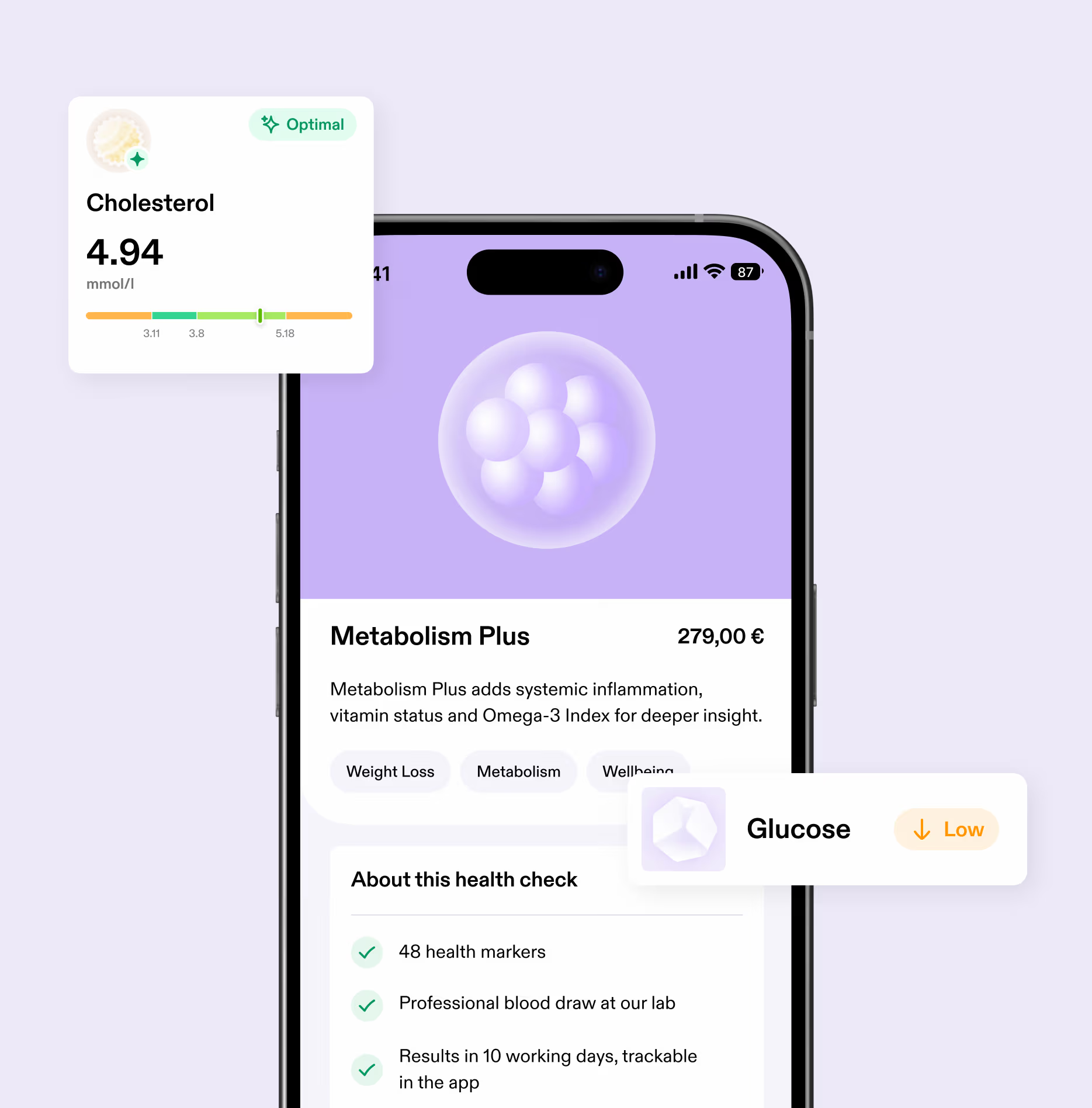
Metabolism Plus Package
Metabolism Plus adds systemic inflammation, vitamin status and Omega-3 Index for deeper insight.
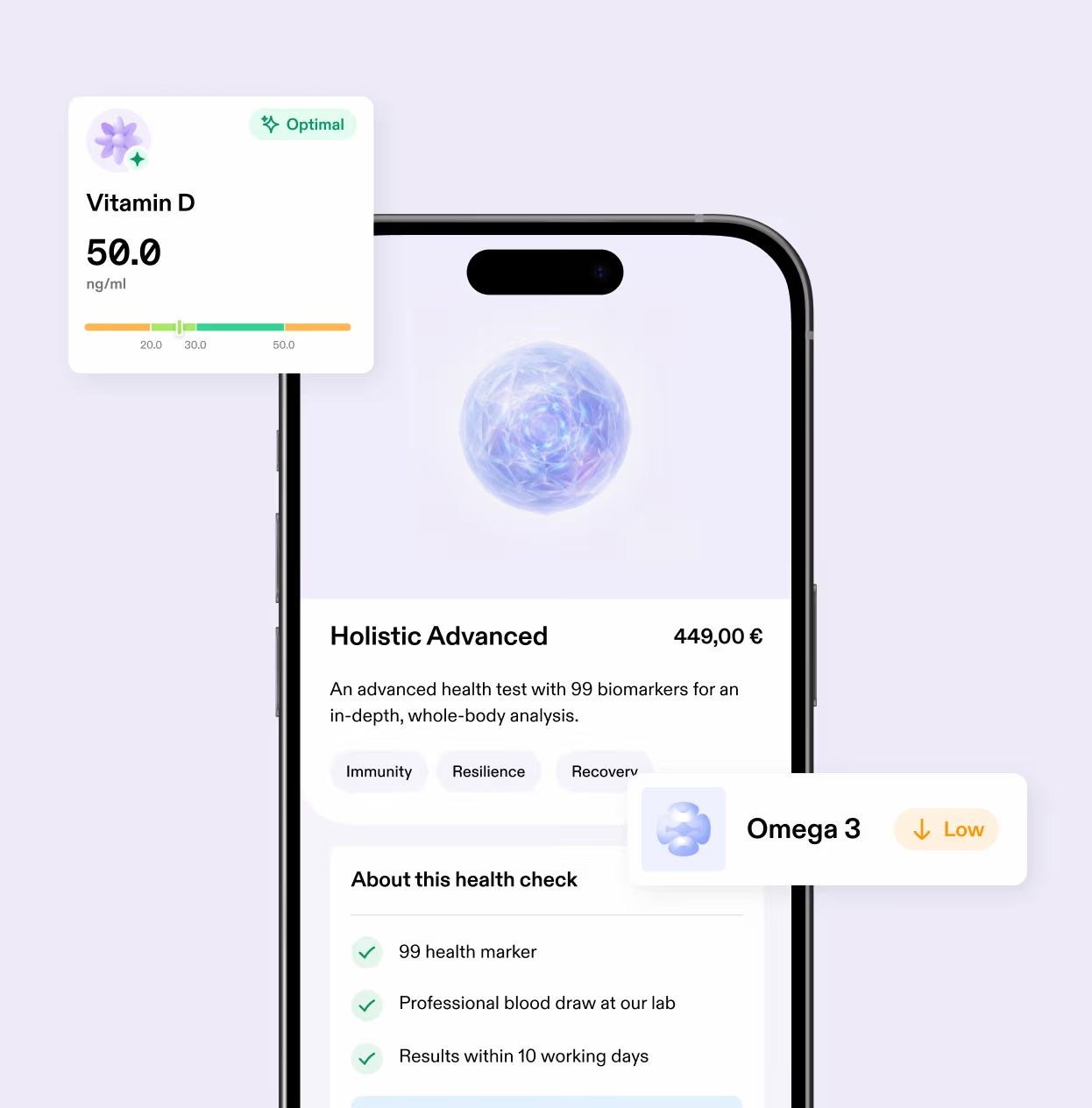
Holistic Advanced Package
Holistic Advanced measures 78 biomarkers to track metabolism, heart, organs & immunity.
This article is for informational purposes only and does not constitute medical advice. Please consult a qualified healthcare professional for personal medical guidance.
Subscribe to our newsletter!
Articles, tips, and offers. Straight to your inbox.


Ready to take charge of your health?
Check, track, and improve your health and well-being.




.avif)
