
Updated on
July 28, 2026
Men’s Health Check: Detect Hidden Heart Risks Early
Close to 70% of first heart attacks in males occur in individuals who were not previously identified as high-risk by traditional medical assessments. This alarming statistic, highlighted in the journal Circulation by Myerburg et al., reveals a critical gap in standard care: many men are told they are "fine" based on metrics that only scratch the surface.


As of 2026, cardiovascular disease (CVD) remains the number one cause of death globally, claiming nearly 20 million lives annually. For males and individuals assigned male at birth (AMAB), this risk is acute due to the intersection of hormonal shifts, lifestyle habits, and unique biological vulnerabilities.
Aware specializes in testing a comprehensive suite of vital biomarkers to shift the focus to proactive longevity for male health. Instead of waiting for a symptom to appear, Aware enables you to analyze the internal environment of your body and identify vulnerabilities before they lead to a crisis.
1. The Particle Count: Why ApoB Trumps Standard LDL
Traditional lipid panels measure the weight of your cholesterol, but your arteries are more concerned with the number of particles trying to enter the vessel wall.
- Apolipoprotein B (ApoB): Every single plaque-building particle carries exactly one molecule of ApoB. Measuring it provides a direct, pinpoint count of your risk. Recent consensus in the European Heart Journal by Sniderman et al. (2024) confirms ApoB is a superior predictor of heart risk compared to standard LDL.
- Lipoprotein (a): Think of this as a genetically determined “sticky” particle. It is primarily inherited and does not change with diet or exercise. High levels are a major risk factor for early-onset heart disease and blood clots.
- The other biomarkers: Monitoring your non-HDL cholesterol, triglycerides, and HDL cholesterol provides a high-definition view of how your body processes fats.
Actionable Takeaway: Establish a baseline by testing ApoB and Lipoprotein (a) at least once. If these are elevated, controlling other risk factors like blood pressure is paramount to protect your arteries.
2. The Internal Environment: Inflammation and Blood Quality
Inflammation is the silent driver of arterial damage. When your body is in a state of chronic low-grade inflammation, your blood vessels become more susceptible to the buildup of fat and calcium.
- hs-CRP: This is the gold standard for detecting systemic inflammation. Research by Ridker (2023) shows that men with high inflammation are at risk even if their cholesterol is low.
- Immune Profile: A complete count of leukocytes, including neutrophils, lymphocytes, and monocytes, can reveal if your immune system is in a state of chronic activation or stress.
- Blood Viscosity: Biomarkers like Hemoglobin, Hematocrit, and Thrombocytes (platelets) help determine if your blood is prone to clotting or if it is placing extra strain on your heart's pumping capacity.
Actionable Takeaway: If your hs-CRP is above 2.0 mg/L, focus on identifying triggers like poor sleep or chronic stress. Nutrition researcher Dr. Michael Greger, who runs the health blog nutritionfacts.org, emphasizes that even small increases in fiber-rich plant foods can act as a natural “fire extinguisher” for systemic inflammation.
3. Metabolic Stability: The Fructose-Uric Acid Link
Heart health is often lost in the liver first. When your metabolism struggles, your arteries can become stiff and brittle through a process called glycation.
- HOMA-IR: Don't just check your glucose. By measuring insulin and calculating the HOMA-IR index, you can spot insulin resistance years before it shows up as high blood sugar on an HbA1c test.
- The Fructose Connection: Research in Nature Reviews Endocrinology (2024) highlights that excess fructose is processed by the liver into uric acid, which can lead to hypertension and endothelial damage.
- Liver Guard: Monitoring enzymes like GPT (ALAT) and Gamma-GT, along with Bilirubin and Alkaline phosphatase, ensures your primary metabolic organ isn't stressed.
Actionable Takeaway: Aim for a HOMA-IR score below 1.5. To lower uric acid, Dr. Greger recommends daily legumes and whole grains to improve metabolic efficiency and lower blood pressure.
4. Hormonal Balance: The Male Protection Suite
Hormones are powerful regulators of the cardiovascular system, influencing everything from vessel elasticity to lipid metabolism.
- Testosterone Base: Healthy levels of testosterone and free testosterone support vascular function. Monitoring SHBG, LH, and FSH helps identify the root cause of any hormonal imbalances.
- The Estradiol Factor: Contrary to the myth that it is only a “female” hormone, Estradiol is essential for males. Research by Cooke et al. (2021) identifies an optimal range of 10–40 pg/mL for heart protection.
- Systemic Signals: Monitoring DHEAS, prolactin, and progesterone provides a holistic view of the endocrine environment that supports male-specific vascular health.
Actionable Takeaway: Aim for an estradiol level between 10 and 4010–40 pg/mL. If you are outside this range, prioritize body fat management and high-quality sleep to recalibrate the balance naturally.
5. Nutrient Optimization: The Omega-3 and Iron Balance
Finally, we look at the raw materials your heart needs to function—and the potential toxins that can slow it down.
- The Omega-3 Index: This measures the amount of EPA and DHA in your cells. A high index (above 8%) is one of the strongest predictors of long-term heart resilience.
- The Iron Risk: Males are at a higher risk for iron overload. Elevated ferritin (above 200–300 ng/mL) can lead to oxidative damage in the heart and liver.
- Critical Cofactors: Vitamins like B12 (Holotranscobalamin), B9, and B6 prevent the buildup of homocysteine, while electrolytes like magnesium, potassium, sodium, and calcium govern the electrical signals of your heartbeat.
Actionable Takeaway: Target an Omega-3 Index of 8%. Dr. Michael Greger recommends a tablespoon of ground flaxseeds. Flax seeds provide both ALA, an omega-3 fatty acid, and fiber, supporting both your omega-3 status and cholesterol reduction.
Conclusion: A Holistic Path to Longevity
Proactive heart health for males is about data, not guesswork. By tracking advanced biomarkers like ApoB, hs-CRP, HOMA-IR, and your Omega-3 Index, you create a high-definition roadmap for your future. Regular assessment of kidney function (cystatin C) and thyroid function (TSH/fT4/fT3) ensures the entire “support system” is running at peak performance.
Aware provides the tools to turn these complex biomarkers into a clear, actionable strategy, ensuring your heart remains resilient for decades to come.
Ready to take charge of your health?


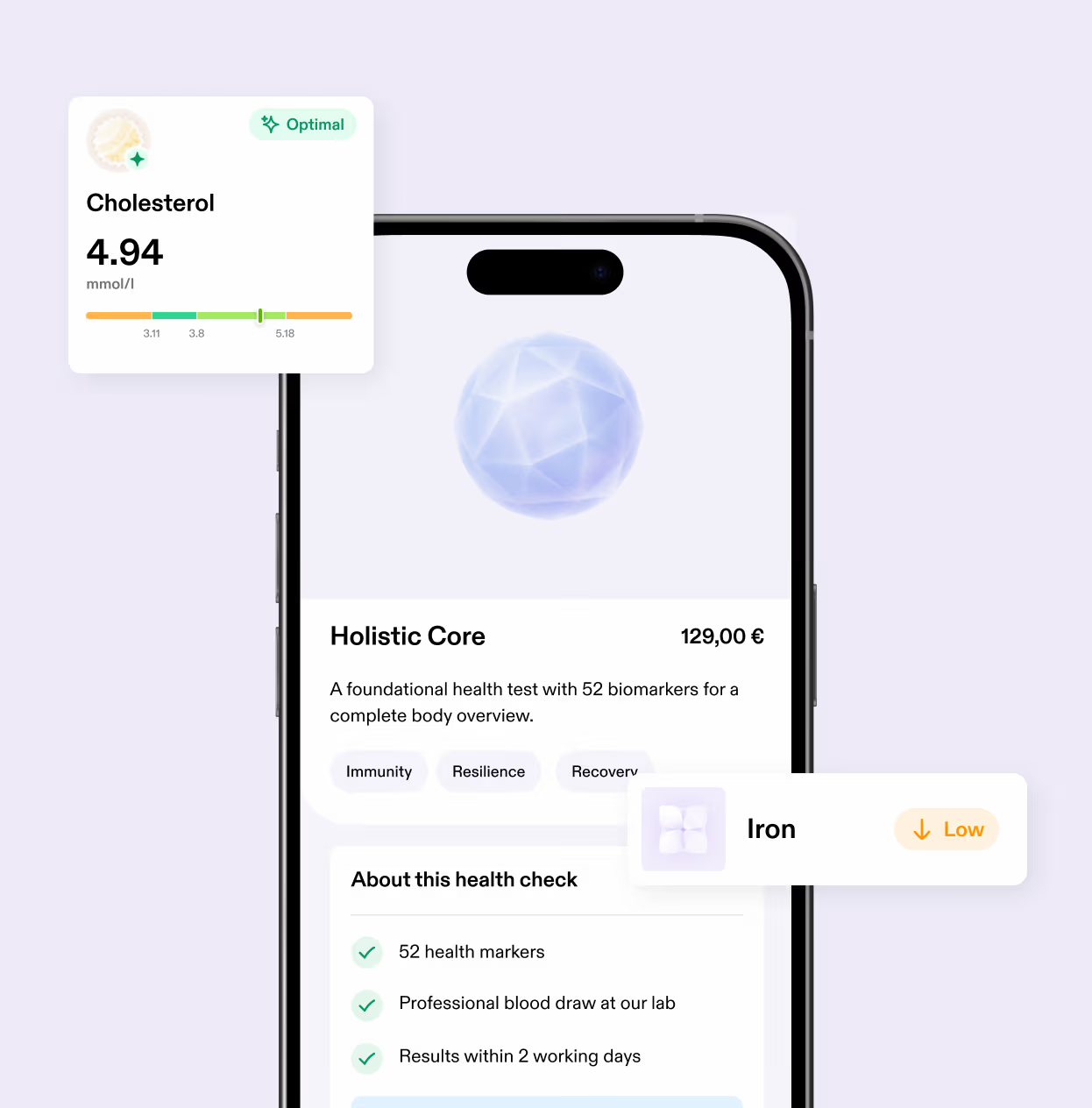
Holistic Core Package
A comprehensive baseline test covering heart health, metabolism, organ function, immune status, and inflammation for a full-body health overview.
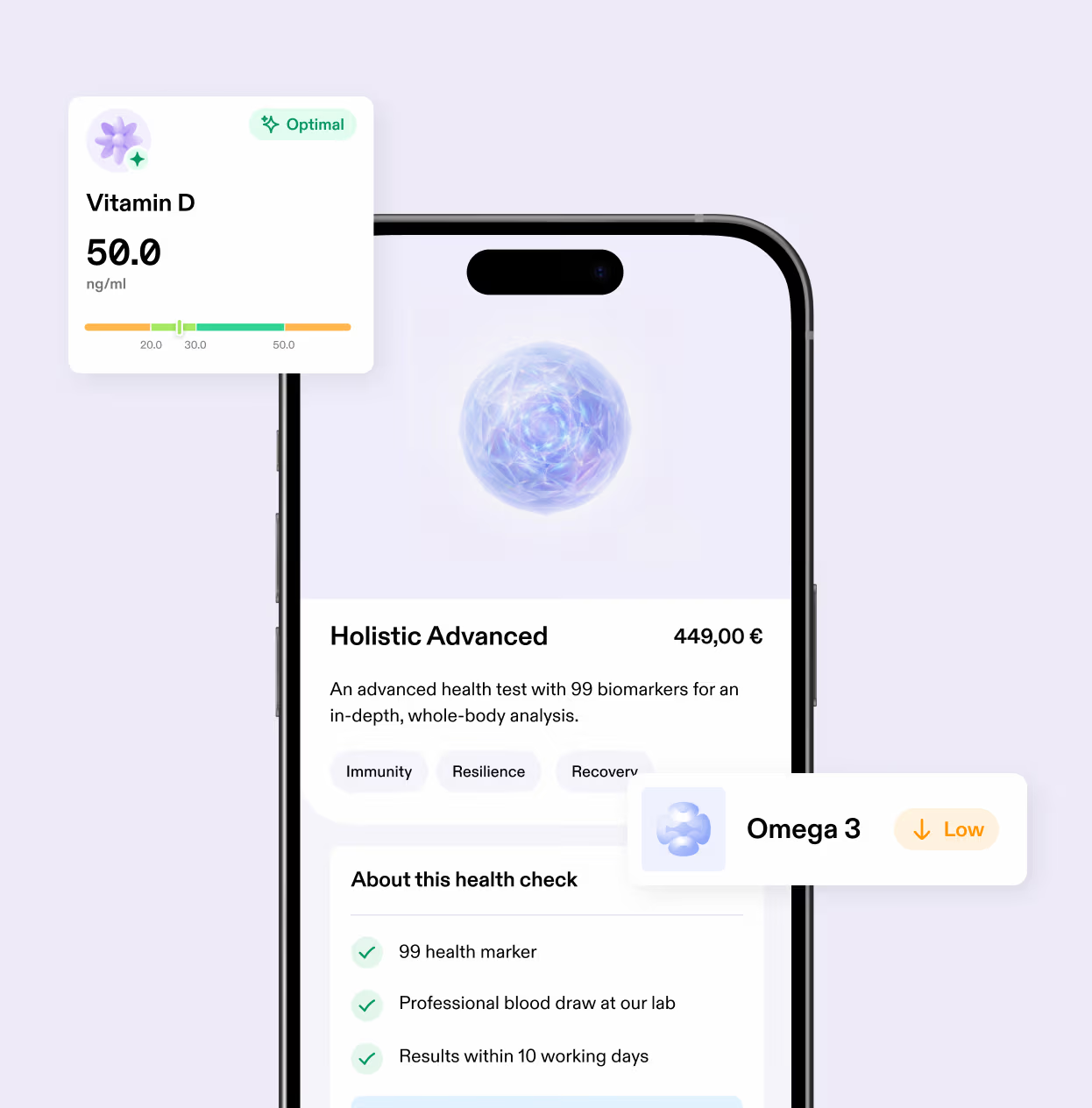
Holistic Advanced Package
Holistic Advanced measures 78 biomarkers to track metabolism, heart, organs & immunity.
Disclaimer: This article is for informational purposes only and does not constitute medical advice, diagnosis, or treatment. The services provided by Aware are not a substitute for professional medical consultation. Always seek the advice of your physician or another qualified health provider with any questions you may have regarding a medical condition. Never disregard professional medical advice or delay in seeking it because of something you have read here.
Subscribe to our newsletter!
Articles, tips, and offers. Straight to your inbox.


Ready to take charge of your health?
Check, track, and improve your health and well-being.




.avif)
