
Updated on
July 28, 2026
Top 10 Biomarkers Everyone Over 30 Should Track
Your 30s mark a pivotal shift in physiology. The body moves from a state of rapid growth and easy recovery into a phase where maintenance requires strategy. This is the moment to stop guessing and start measuring.


To optimize longevity and performance, you need to see the trend lines before they cross into the danger zone. Aware helps you shift from reactive medicine to proactive optimization.
Here are the top 10 biomarkers from our biomarker panel that offer the highest return on investment for your long term health.
1. ApoB
Cardiovascular disease is the leading cause of death globally. For decades, doctors looked at LDL cholesterol, but that is an incomplete metric. ApoB (Apolipoprotein B) is the gold standard because it counts the exact number of atherogenic particles in your bloodstream.
Why it matters: Research published in JAMA Cardiology and The Lancet demonstrates that ApoB is a more accurate predictor of myocardial infarction risk than LDL cholesterol or non-HDL cholesterol. ApoB represents the total number of atherogenic particles in circulation. This is critical because the risk of plaque buildup is driven by the number of particles penetrating the arterial wall, rather than the total cholesterol mass they carry. A discordance often exists where people have normal LDL cholesterol levels but elevated ApoB, leaving them with unrecognized cardiovascular risk.
Action plan: If elevated, reduce saturated fat intake like butter or fatty meat and increase soluble fiber like oats or psyllium husk. Dietary intervention can significantly impact ApoB levels. Meta-analyses indicate that replacing saturated fats with polyunsaturated fats and increasing soluble fiber intake can reduce ApoB levels by approximately 10% to 20%. If levels remain elevated despite strict lifestyle adherence, consult a physician regarding pharmacologic options.
2. HOMA-IR
Insulin resistance is the engine behind many modern metabolic diseases. It often begins a decade before your blood sugar shows up as high on a standard test.
Why it matters: This metric combines your fasting glucose and fasting insulin to calculate a single efficiency score. A high score means your pancreas is screaming to keep your blood sugar stable. You want to catch this while your blood sugar is still normal.
Action plan: A high score is commonly addressed by reducing refined carbohydrates and liquid sugars. Prioritize strength training, as muscle tissue is the best sink for glucose disposal.
3. Lipoprotein(a)
Lp(a) is a genetic risk factor that 20% of the population carries, yet most doctors never test for it. It is a sticky form of cholesterol that dramatically increases heart attack risk.
Why it matters: Diet and exercise do not meaningfully change Lp(a), as levels are largely genetically determined. Knowing this value matters: if elevated, other cardiovascular risk factors can be managed more aggressively with a physician. In some cases, this may include discussing advanced lipid-lowering therapies such as PCSK9 inhibitors, which are approved for LDL reduction and may modestly lower Lp(a) depending on overall risk.
Action plan: You only need to test this once in your life. If it is high, be vigilant about keeping your ApoB and inflammation as low as possible to offset the risk.
4. Cystatin C (eGFR)
Standard kidney tests use creatinine, a marker that is easily skewed by muscle mass and protein intake. If you lift weights or eat a high-protein diet, your doctor might wrongly tell you your kidneys are failing.
Why it matters: Cystatin C is a protein not influenced by muscle mass. It provides a true read on your Glomerular Filtration Rate (eGFR). Kidneys do not regenerate well so detecting even a 5% drop in filtration efficiency is vital.
Action plan: Hydration is key. If filtration drops, examine your blood pressure and reduce NSAID use like ibuprofen.
5. Omega-3 Index
Most people consume far too many pro-inflammatory fats and not enough protective fats. This index measures the percentage of EPA and DHA in your red blood cell membranes.
Why it matters: A low index is a major risk factor for heart disease and cognitive decline. Your cell membranes literally become rigid and inflamed. A high index protects your brain and arteries.
Action plan: Omega-3 Index is highly modifiable. If you are below 8%, supplement with high quality fish oil or algae oil and eat fatty fish like salmon or mackerel, or algae, twice a week.
6. Holotranscobalamin (Active B12)
Standard B12 blood tests are notoriously inaccurate. They measure total B12, which includes inactive forms your body cannot use. You can test normal for B12 and still be deficient.
Why it matters: Holotranscobalamin measures only the active B12 available to your cells. Deficiencies lead to fatigue, brain fog, and over time to irreversible nerve damage.
Action plan: If holotranscobalamin levels are low, oral supplementation usually works, but methylated forms of B12 may be considered by some clinicians (e.g. methylcobalamin). Vegans and vegetarians must track this carefully.
7. hs-CRP
Inflammation is the silent fire that burns down your health. High Sensitivity C-Reactive Protein measures systemic inflammation that you cannot feel.
Why it matters: Unlike the acute swelling from a sprained ankle, this low-grade inflammation damages blood vessels and DNA. It is a primary driver of aging and heart disease.
Action plan: Elevated levels often stem from poor sleep, chronic stress, or processed foods. Addressing sleep quality, physical activity, and overall dietary quality remains central; some people also explore evidence-based anti-inflammatory nutrients under medical guidance.
8. Ferritin
Ferritin stores iron. This is a Goldilocks marker where you do not want too little or too much.
Why it matters: For women, low ferritin is a leading cause of unexplained fatigue and hair thinning. For men, high ferritin is dangerous as it increases oxidative stress and acts as a rusting agent in the organs.
Action plan: If low, combine iron-rich foods with vitamin C to support absorption. If high, a reasonable approach is to address potential contributors such as chronic inflammation through a healthy diet and high-quality sleep. In some cases, blood donation may be considered, with approval from a physician.
9. GGT
While ALT and AST are standard liver markers, Gamma-GT is the canary in the coal mine. It rises in response to oxidative stress and toxin load long before actual liver damage occurs.
Why it matters: GGT is linked to glutathione status, which is your body's master antioxidant. Elevated GGT suggests your detoxification pathways are often overwhelmed by alcohol or visceral fat.
Action plan: This is the ultimate accountability metric for alcohol consumption. Reducing alcohol intake usually drops GGT rapidly. Increasing cruciferous vegetable intake like broccoli supports liver clearance.
10. Vitamin D
We call it a vitamin, but it is a hormone that regulates over 1,000 genes. It controls immune function, bone density, and mood.
Why it matters: Indoor lifestyles have created a global deficiency epidemic. Low levels correlate with increased susceptibility to viruses, autoimmune issues, and depressive symptoms.
Action plan: Supplementation is often necessary. Vitamin D3 is typically paired with K2 to ensure calcium goes to your bones and not your arteries. Aim for the upper end of the optimal range.
The North Star: PhenoAge
When you track the biomarkers above, you can estimate your PhenoAge, a biological age metric developed by Levine et al. It combines markers such as albumin, red blood cell distribution width, creatinine, glucose, and hs-CRP to estimate how fast you are aging relative to your chronological age. Biological age clocks are probabilistic rather than diagnostic, reflecting risk trends rather than disease. Tracked over time, PhenoAge can help show whether lifestyle changes are associated with slower or faster biological aging.
We are currently working on integrating PhenoAge calculations into an upcoming expanded biomarker list at Aware. This allows you to see how your lifestyle changes are slowing down or speeding up your biological clock.
Summary
The transition into your 30s is not the beginning of the end. It is the beginning of a more intelligent relationship with your body. By tracking these ten biomarkers, you move from a passive passenger to an active pilot of your own physiology.
Data removes the fear of the unknown. When you know your numbers, you can make precise and effective adjustments to your lifestyle that yield compounding returns over decades. Do not wait for symptoms to knock on your door. Define your baseline today and build a future where you stay capable, energetic, and healthy for the long haul.
Ready to take charge of your health?


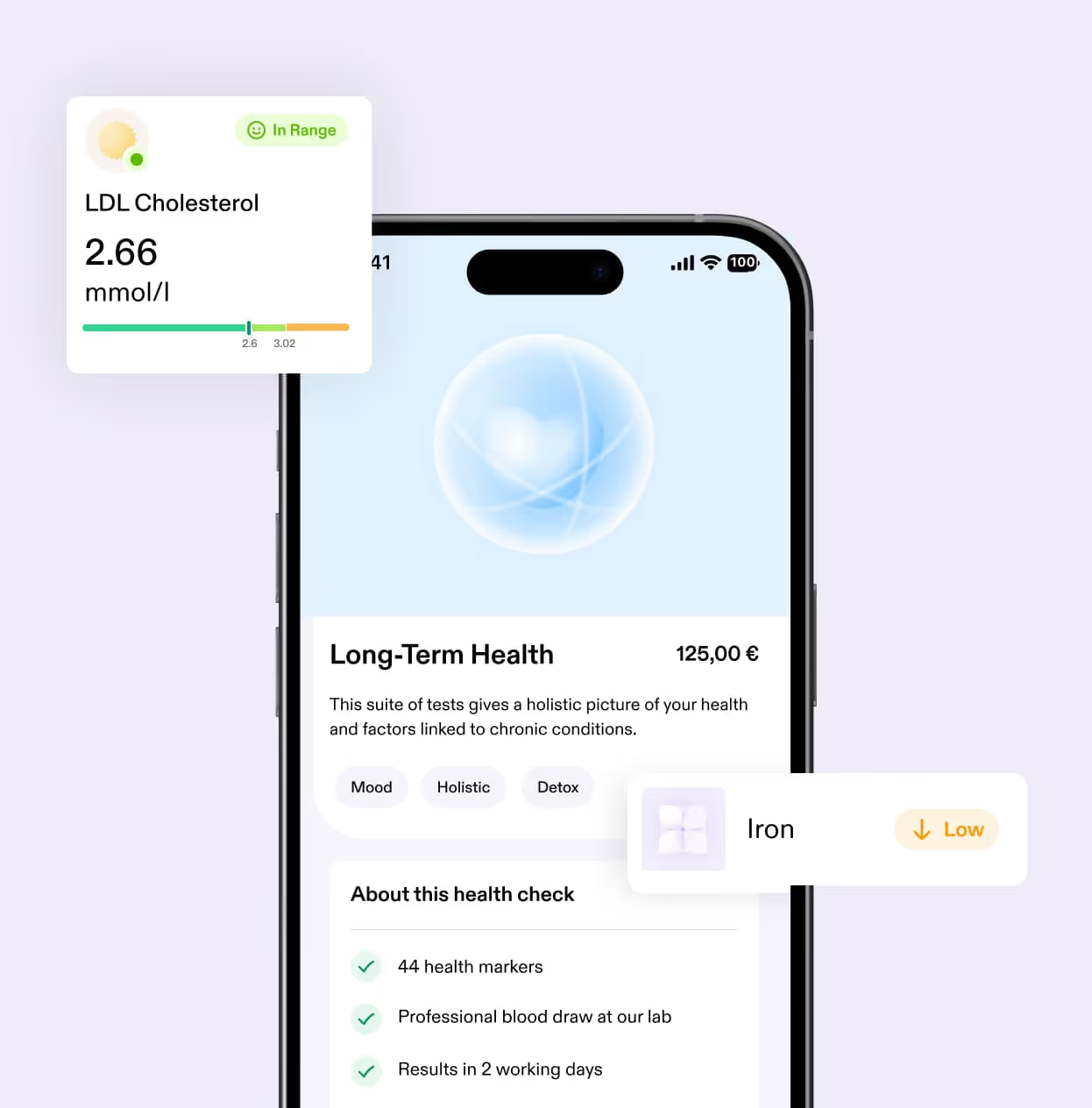
Long-Term Health Package
This suite of tests gives a holistic picture of your health and factors linked to chronic conditions.
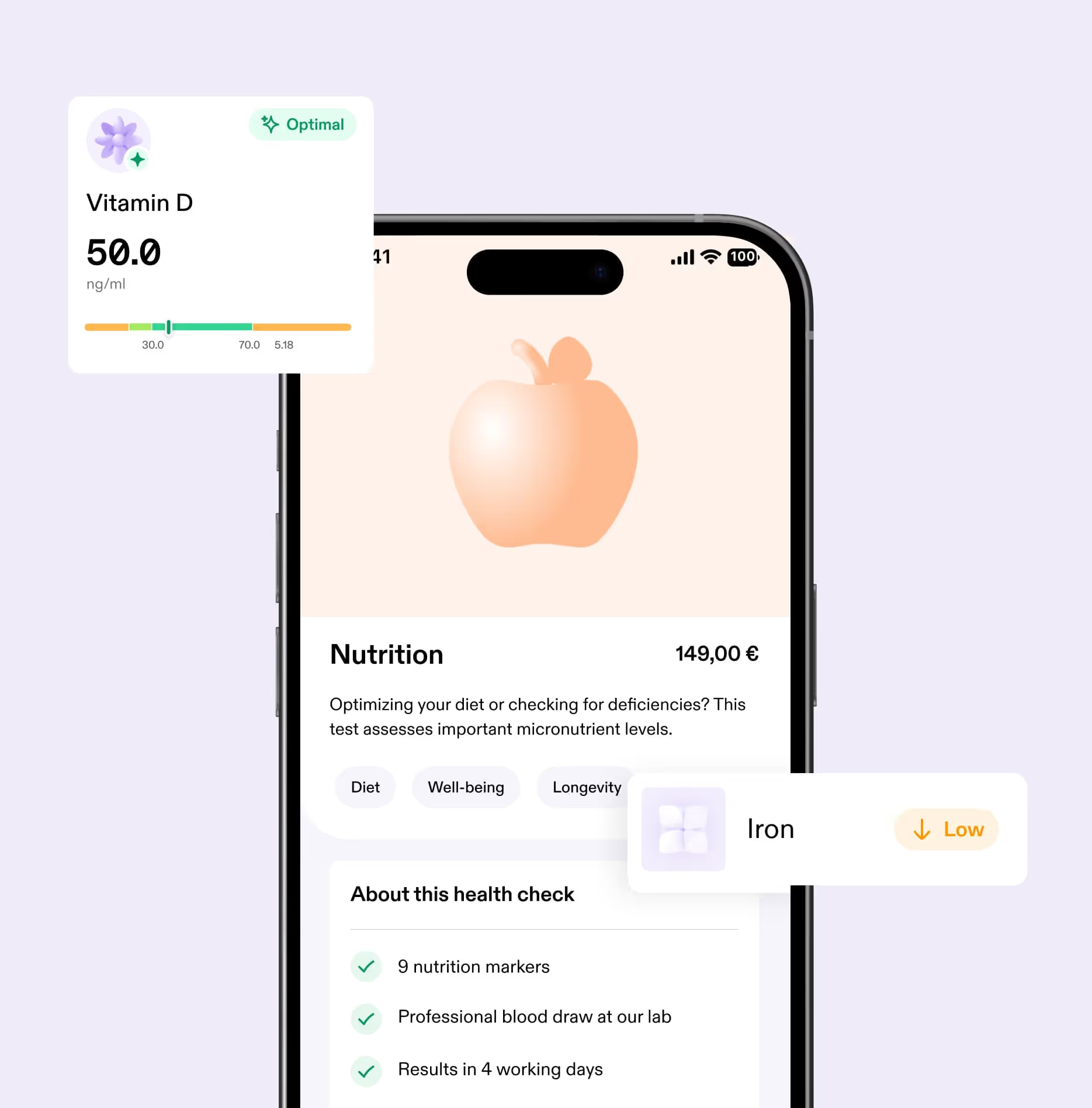
Nutrition Package
The Aware nutrition test shows you if your body is getting enough vitamins and minerals.
Please note: Aware Health provides laboratory data for informational and wellness purposes. This data is not a substitute for professional medical advice, diagnosis, or treatment. Always discuss your results with a qualified healthcare provider.
Subscribe to our newsletter!
Articles, tips, and offers. Straight to your inbox.


Ready to take charge of your health?
Check, track, and improve your health and well-being.




.avif)
