Updated on
March 13, 2026
The Omega-3 Paradox: Why You Might Be Deficient Even If You Supplement
You take your daily fish oil capsule. You try to eat healthy. You feel like you’ve ticked the “heart health” box. Yet, statistically speaking, there is a very high chance you are still running on empty.


Recent global data suggests that nearly 75% of the population does not meet the optimal levels of omega-3 fatty acids required for cardiovascular and cognitive protection. It’s a silent gap between effort and biological reality. We see this constantly in the data: health-conscious individuals who assume they are covered, only to find their actual cellular levels suggest otherwise.
Why is there such a disconnect? And more importantly, how do you fix it without blindly increasing your dosage?
The “False Safety” of Supplementation
The biggest misconception in modern nutrition is that “popping a pill” equates to “absorption.”
Many standard omega-3 supplements available at the drugstore contain oxidized oil or are in a chemical form (ethyl esters) that the body struggles to utilize efficiently compared to the triglyceride form found in whole fish. Furthermore, dosage matters. The standard 1,000 mg capsule often provides only a fraction of the EPA and DHA actually needed to shift your blood levels, especially if your diet is high in omega-6 fatty acids (found in sunflower oil, processed foods, and grains)—which compete for the same enzymes in your body.
It isn't just about what you take; it’s about what your body keeps. This is why “feeling safe” because you supplement can be misleading.
The Science: It’s About the Index, Not Just Intake
To understand your status, we need to look beyond general “blood levels.” We look at the Omega-3 Index.
While standard blood tests might show recent intake (what you ate yesterday), the Omega-3 Index measures the percentage of EPA (eicosapentaenoic acid) and DHA (docosahexaenoic acid) in your red blood cell membranes. This gives us a long-term view, essentially a 3 to 4 month average of your status.
Why EPA and DHA Matter (Level 2 Science)
- EPA (The Firefighter): EPA is largely responsible for balancing cellular inflammation. It competes with arachidonic acid (AA) to produce eicosanoids that help regulate immune response and maintain cardiovascular health.¹
- DHA (The Architect): DHA is a structural component of the brain and retina. It dictates the fluidity of cell membranes, allowing neurotransmitters to signal efficiently. Without flexible membranes, cellular communication slows down.²
When your Omega-3 Index is optimal (generally considered above 8%), your cell membranes are fluid and resilient. When it is low (below 4%), cellular function can become rigid, potentially impacting everything from heart rate variability to cognitive focus.
Lifestyle Impact: What Optimized Levels Feel Like
We don't track biomarkers just for the data; we track them for the life they enable. Optimizing your omega-3 status contributes to:
- Sustained Focus: By supporting membrane fluidity in the brain, DHA supports concentration and cognitive maintenance as we age.
- Cardiovascular Resilience: EPA contributes to normal heart function and helps maintain healthy triglyceride levels.
- Recovery: By helping to modulate the inflammatory response after intense exercise, optimal levels support faster recovery times.
Actionable Tips: Closing the Gap
Experts agree: obtaining nutrients from food is preferable because the matrix of whole food often aids absorption. However, if your lifestyle doesn't allow for daily fish consumption, targeted supplementation is a valid strategy—if done correctly.
1. The “Fatty Fish” Rule
White fish (like cod or plaice) is delicious, but it won't move the needle much on your Omega-3 Index. You need cold-water fatty fish. Think herring, mackerel, salmon, or sardines. Aim for 2–3 servings a week. (And yes, the pickled herring counts, provided the sugar content isn't astronomical).
2. Plant-Based? Choose Algae, Not Just Flax
Flaxseeds and walnuts contain ALA (alpha-linolenic acid). While healthy, the body's conversion rate of ALA to the biologically active EPA and DHA is incredibly low (often less than 5%). If you are vegan, skip the flax oil for your omega needs and go straight to algae oil, which contains direct EPA and DHA.
3. Timing is Everything
Fat dissolves fat. Never take your omega-3 supplement with a black coffee in the morning. To maximize absorption, take it with your largest meal of the day, specifically one that contains other dietary fats.
Stop Guessing, Start Measuring
You can eat salmon and take pills, but without data, you are flying blind. Genetics, metabolism, and omega-6 intake all influence how much omega-3 you actually need. Validating your levels helps you adjust your diet and supplementation with precision, moving from “hoping for the best” to knowing you are optimized.
Ready to take charge of your health?


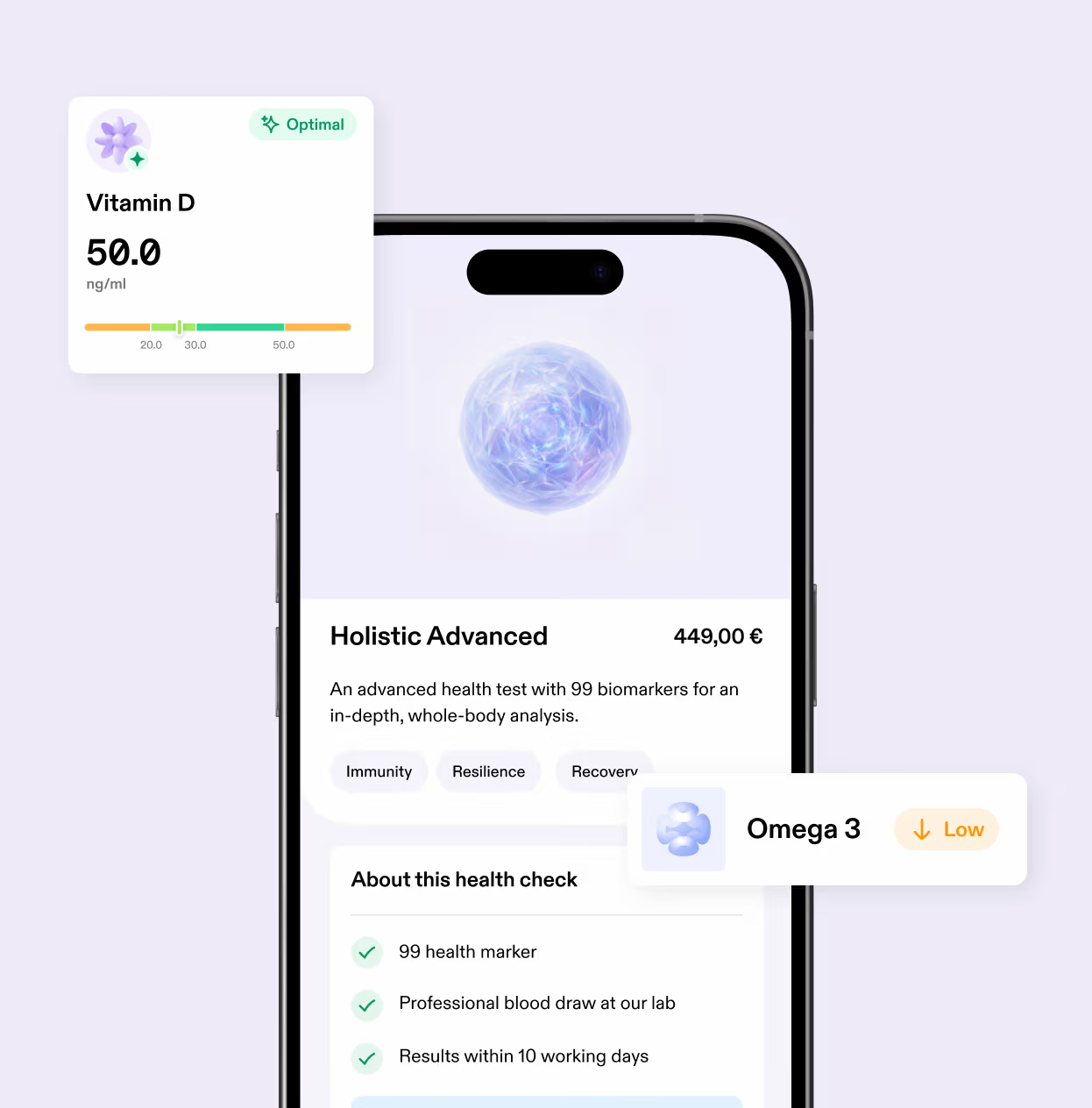
Holistic Advanced Package
Holistic Advanced measures 99 biomarkers to track metabolism, heart, organs & immunity.

Sport Package
Check and optimize biomarkers linked to cardiovascular health and athletic performance.
Disclaimer: The content of this article is for informational purposes only and does not constitute medical advice, diagnosis, or treatment. Always seek the advice of your physician or other qualified health provider with any questions you may have regarding a medical condition. Do not disregard professional medical advice or delay in seeking it because of something you have read on this website.
Subscribe to our newsletter!
Articles, tips, and offers. Straight to your inbox.


Ready to take charge of your health?
Check, track, and improve your health and well-being.