
Updated on
July 28, 2026
The February Slump: Why Your "New Year's Energy" Crashes (And How to Fix It)
We all know the feeling. The motivation from January 1st was strong—a new gym routine, meal prep containers stacked high, and a clear vision for the year. But now, looking out the window at the gray sky in mid-February, that drive feels like a distant memory.


Waking up is harder. The afternoon coffee isn't working like it used to. You might be blaming your willpower or calling it Frühjahrsmüdigkeit (spring fatigue) arriving early, but there is often a biochemical reality beneath the mental fog.
It is easy to internalize this fatigue as “laziness” or “burnout.” However, usually, it’s simply biology responding to the environment. After months of short days and heavy coats, your body’s internal reserves—specifically the biomarkers that drive energy production and mood regulation—are often running on fumes.
Let’s look at the science behind the “Mid-Winter Energy Audit” and how checking your blood can tell you more than checking your calendar.
It’s Not Just in Your Head: The Biology of Winter Fatigue
When we talk about energy, we aren't just talking about how much sleep you got last night. We are talking about cellular energy—how efficiently your body creates fuel and regulates metabolism. Three specific systems often take a hit during our long dark months.
1. The “Sunshine Hormone” Deficit (Vitamin D)
By February, the vitamin D reserves you built up during those lake days in July are often critically depleted. In our latitudes, the sun simply isn't strong enough during winter to trigger natural vitamin D synthesis in the skin.
The Science: Vitamin D is technically a pro-hormone, not just a vitamin. It plays a pivotal role in regulating calcium absorption, but it is also essential for mitochondrial function—the “power plants” of your cells.¹ Low levels are clinically linked to muscle fatigue and a dipped mood. Vitamin D receptors are found throughout the brain, specifically in areas involved in mood regulation. When these receptors aren't engaged, serotonin production can stall, leading to that heavy, unmotivated feeling.²
2. The Oxygen Transport Issue (Ferritin & Iron)
You can breathe deeply, but if your blood can’t transport that oxygen to your muscles and brain, you will feel exhausted. Iron is the core component of hemoglobin, the shuttle that carries oxygen in your blood.
The Science: Many people track iron, but ferritin is the marker that truly matters for an audit. Ferritin is your iron storage protein. Think of it as your savings account. You might have enough cash in your wallet (serum iron) for today, but if your savings (ferritin) are empty, your body enters a state of latent conservation. Low ferritin is a common, often overlooked driver of unexplained fatigue, causing you to feel physically drained even after a full night's sleep.³
3. The Metabolic Thermostat (Thyroid Function/TSH)
Your thyroid gland sets the pace for your entire metabolism. During colder months, demands on your metabolism change, and subtle imbalances here can feel exactly like “laziness.”
The Science: TSH (Thyroid Stimulating Hormone) is the signal your pituitary gland sends to your thyroid to work harder. If TSH is high, it often suggests your thyroid is sluggish (underactive), struggling to produce the hormones T3 and T4 that dictate how fast your cells burn energy. If your “thermostat” is set too low, everything slows down—digestion, cognition, and physical energy.⁴
The Lifestyle Impact: Translating Biology to Daily Life
When these biomarkers drift out of optimal range, the symptoms are rarely dramatic enough to send you to the emergency room, but they are nagging enough to derail your life.
- The 3 PM Crash: Instead of a gentle dip in energy, you feel like you’ve hit a wall.
- Workout Recovery: That heavy-leg feeling during a run isn't just lack of fitness; it could be poor oxygen transport (iron) or muscle function (vitamin D).
- Mood Stability: Irritability and the “winter blues” are often biochemical cries for help, not personality flaws.
3 Ways to Reclaim Your Energy (Without Caffeine)
Before you pour another espresso, try supporting your physiology directly.
1. “Light Snacking”: Even on a cloudy February day, the light intensity outside is far greater than your office lighting. Aim for 15-20 minutes of outdoor light exposure before 10:00 AM. This anchors your circadian rhythm, regulating cortisol and melatonin production to help you wake up and sleep better.
2. Vitamin C + Iron Pairing: If you are eating plant-based iron sources (like lentils or spinach), your body struggles to absorb them. Pair them with vitamin C (a squeeze of lemon juice, bell peppers, or sauerkraut) to significantly increase absorption rates. This helps replenish those ferritin stores.
3. Move to Metabolize: It sounds counterintuitive when you are tired, but low-intensity movement (Zone 2 cardio) can help stimulate mitochondrial efficiency. You don't need a HIIT class—a brisk walk is often enough to signal your body to wake up.
Manage What You Measure
We often guess at why we feel tired. We change our diets, buy new pillows, or force ourselves to go to bed earlier. But without data, these are just guesses.
You can’t optimize what you can’t see. Understanding your baseline levels of vitamin D, ferritin, and TSH transforms “winter fatigue” from a vague feeling into a manageable data point. It gives you the clarity to know whether you require a supplement, a steak, or just a vacation.
If you are ready to stop guessing and start understanding your body's long-term needs, the Aware Holistic Core offers a comprehensive look at these key energy drivers and more. It is the smartest way to check your dashboard and get back to feeling like yourself.
Ready to take charge of your health?


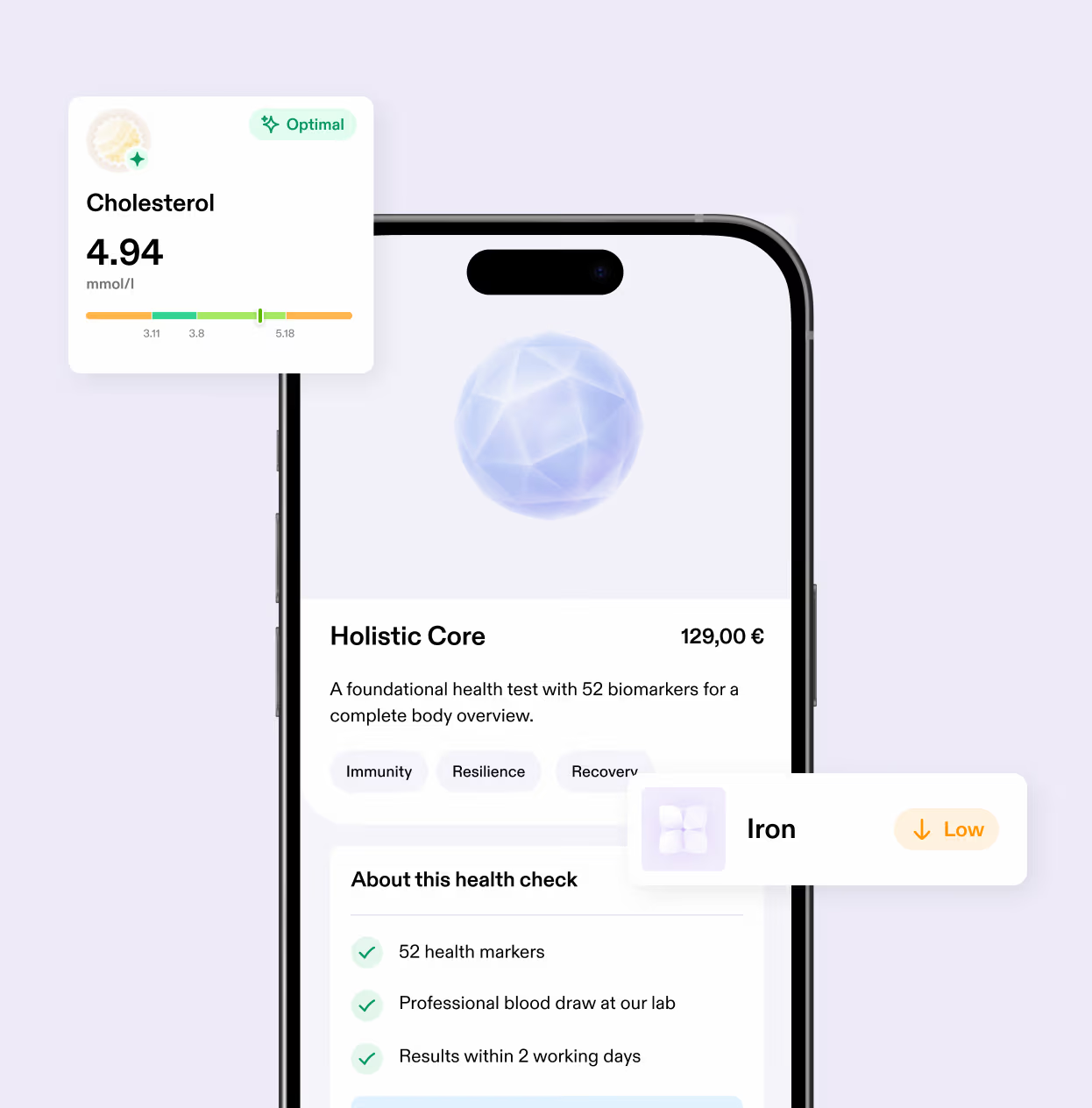
Holistic Core Package
A comprehensive baseline test covering heart health, metabolism, organ function, immune status, and inflammation for a full-body health overview.
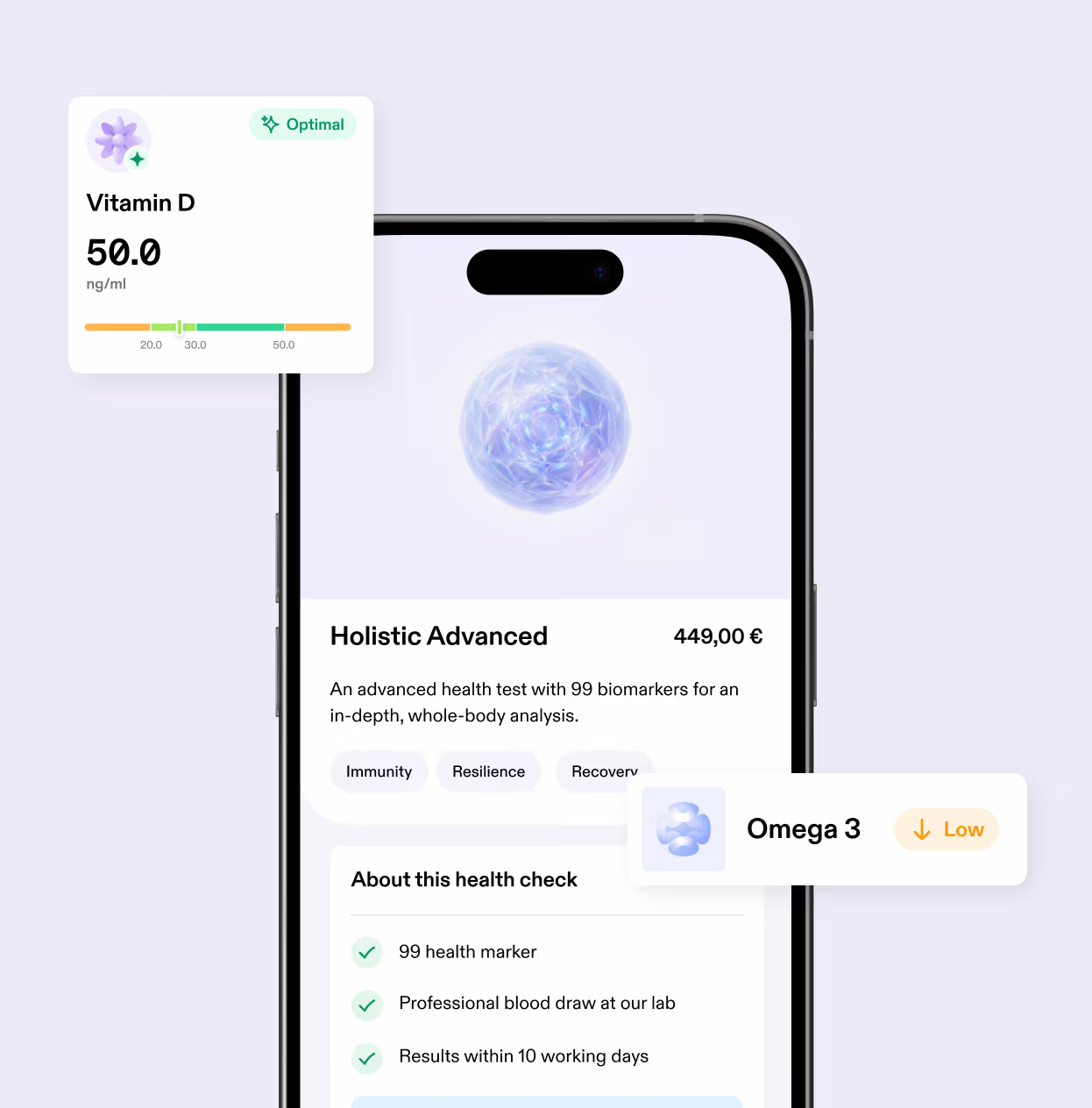
Holistic Advanced Package
Holistic Advanced measures 78 biomarkers to track metabolism, heart, organs & immunity.
Disclaimer: This article is for informational purposes only and does not constitute medical advice, diagnosis, or treatment. The services provided by Aware are not a substitute for professional medical consultation. Always seek the advice of your physician or another qualified health provider with any questions you may have regarding a medical condition. Never disregard professional medical advice or delay in seeking it because of something you have read here.
Subscribe to our newsletter!
Articles, tips, and offers. Straight to your inbox.


Ready to take charge of your health?
Check, track, and improve your health and well-being.




.avif)
