
Updated on
July 28, 2026
Beyond the Scale: Why Your Metabolism is More Than Just Calories
We’ve all been there: the dedicated meal prepping, the extra hours at the gym, and the discipline that feels like a full-time job. Yet, for many of us, the scale remains stubbornly fixed. It is a common frustration, often leading to the assumption that we simply aren't "trying hard enough."


But biology is rarely that linear. Your metabolism isn't just a furnace burning wood; it’s a sophisticated, multi-layered chemical communication system. When weight loss stalls, it’s often because of a "silent" metabolic plateau, aka physiological roadblocks that can’t be seen in a mirror but are clearly visible in your blood.
The Science of the "Silent Plateau"
To understand why weight loss can feel like an uphill battle, we have to look at how our bodies process energy. Two of the most critical factors are Insulin Sensitivity and Blood Lipid Management.
1. The HOMA-Index: Your Metabolic Compass
Standard fasting glucose tests only tell part of the story. To see the full picture, we look at the HOMA-Index (Homeostasis Model Assessment). This marker calculates the relationship between your fasting insulin and fasting glucose levels.
Even if your blood sugar appears "normal," your body might be overproducing insulin to keep it that way. High levels of circulating insulin act as a biological "storage switch," making it chemically difficult for the body to access and mobilize stored fat for energy.
2. Triglycerides and the Energy Overflow
Triglycerides are the primary form of fat stored in the body. When we consume more energy than we use, our liver packages the excess into these lipids. Consistently high triglycerides can be a sign that your metabolic machinery is struggling to keep up with energy influx, often correlating with reduced metabolic flexibility – the body's ability to switch efficiently between burning carbs and burning fat.
The Lifestyle Impact: From Energy Crashes to Longevity
When these markers are out of balance, the impact reaches far beyond your clothing size:
- The Afternoon Slump: If your HOMA-Index is elevated, you may experience significant energy dips after meals as your body struggles to stabilize glucose.
- Systemic Inflammation: Over time, metabolic imbalances can contribute to low-grade inflammation, affecting recovery and overall vitality.
- Long-term Health: Maintaining these markers in an optimal range is one of the most effective strategies for long-term cardiovascular health and metabolic longevity.
3 Steps to Support Your Metabolic Health
- Prioritize Protein & Fiber: This combination slows the entry of glucose into the bloodstream, reducing the "insulin spike" that signals fat storage.
- Strategic Movement: You don't need a marathon. Short, frequent walks—especially after meals—help your muscles clear glucose from the blood without requiring massive insulin surges.
- Optimize Sleep Hygiene: Just one night of poor sleep can temporarily mirror the effects of insulin resistance. Aim for 7–9 hours to keep your hormones balanced.
The Aware Solution: Data Over Guesswork
You cannot manage what you do not measure. Instead of blindly trying the next diet trend, you can look under the hood of your own biology.
Our Metabolism Core package tracks 34 essential biomarkers, including the HOMA-Index, Triglycerides, and Fasting Glucose. This provides you with a baseline of your metabolic health, allowing you to see exactly how your lifestyle choices are impacting your internal chemistry.
Knowledge is the most powerful tool in your health toolkit. By understanding your markers, you move away from "guessing" and toward a targeted, science-backed approach to your goals.
Ready to take charge of your health?


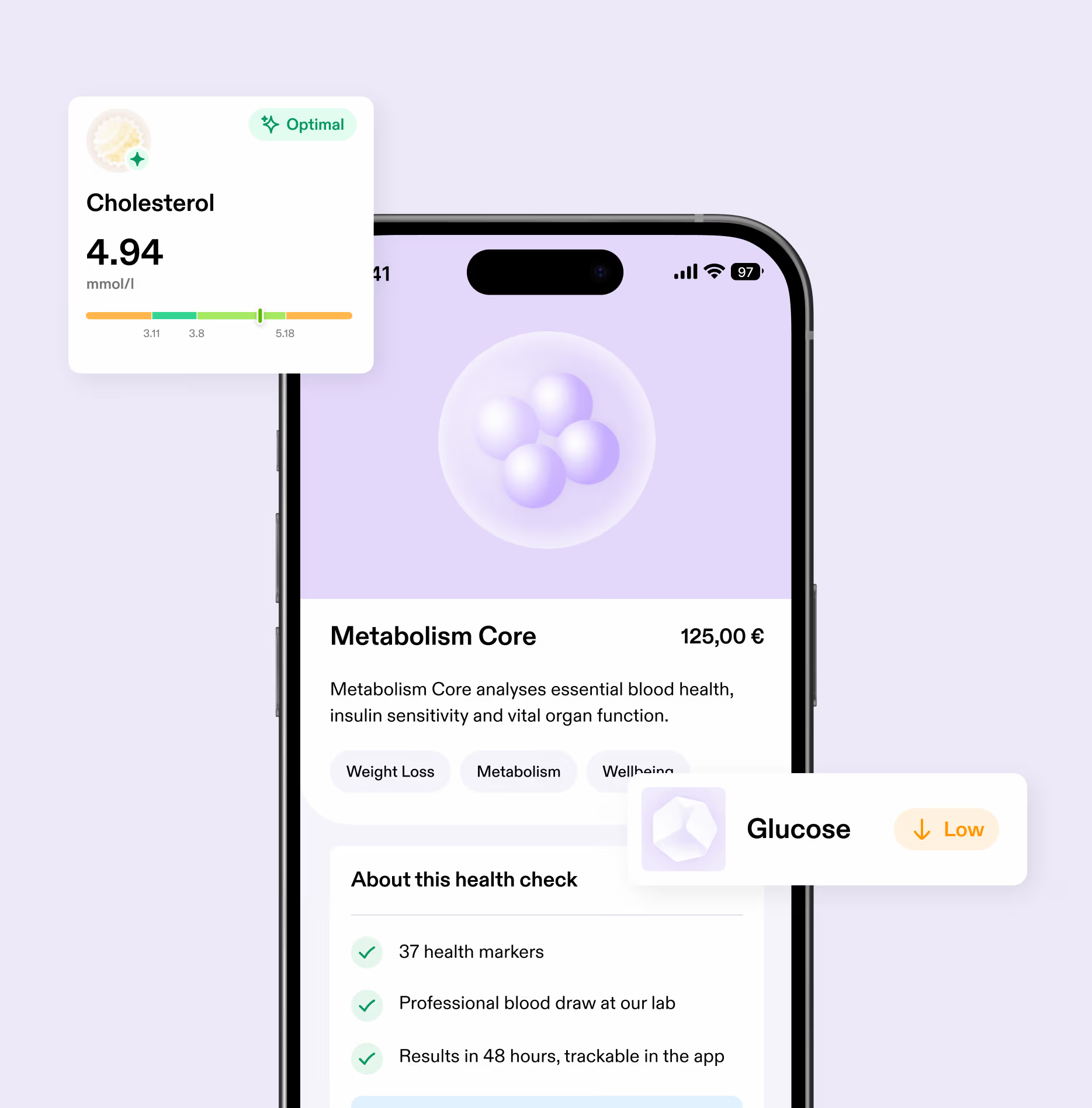
Metabolism Core Package
Metabolism Core analyses essential blood health, insulin sensitivity and vital organ function.
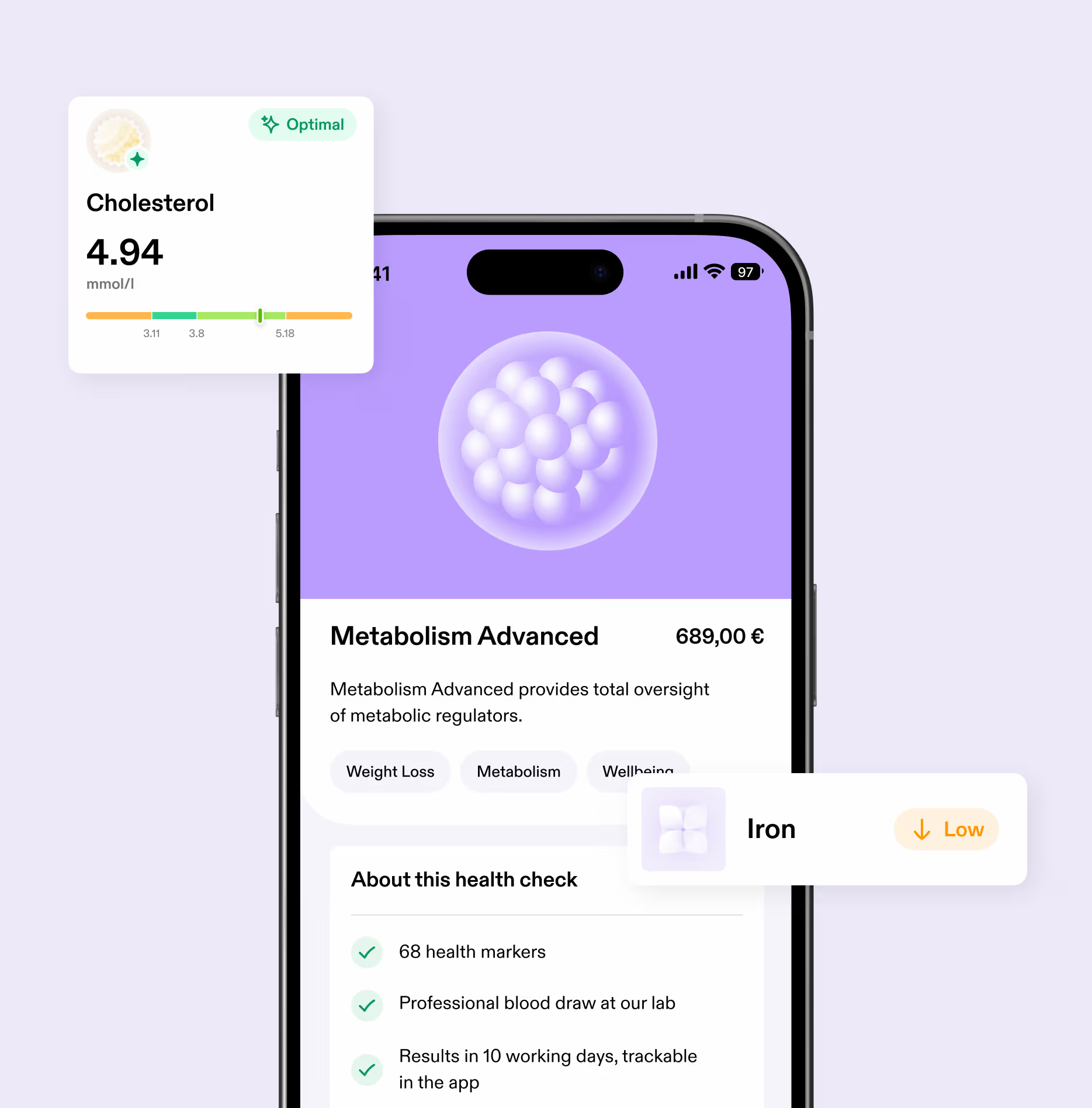
Metabolism Advanced Package
Metabolism Advanced provides total oversight of metabolic regulators.
This article is for informational purposes only and does not constitute medical advice. Please consult a qualified healthcare professional for personal medical guidance.
Subscribe to our newsletter!
Articles, tips, and offers. Straight to your inbox.


Ready to take charge of your health?
Check, track, and improve your health and well-being.




.avif)
