
Updated on
July 28, 2026
The Science of PhenoAge: Beyond the Calendar
The PhenoAge algorithm is a scientifically developed model for estimating biological age. It does not measure how old a person is chronologically, but how strongly their body shows age-related physiological changes – based on blood biomarkers and mortality data from large population studies.


What is PhenoAge?
PhenoAge stands for Phenotypic Age. The algorithm was developed at Yale School of Medicine to quantify aging processes that are directly associated with disease risk and mortality. Its goal is not description, but prediction: How high is the risk of premature disease or death compared with peers of the same chronological age?
How does the algorithm work?
The PhenoAge algorithm combines:
- chronological age
- nine standardized blood biomarkers
These biomarkers reflect key physiological systems, including inflammation, metabolism, immune function, liver and kidney function, and cellular aging. The values are mathematically weighted and integrated into a single age estimate – the PhenoAge.
Which biomarkers are included?
The classical PhenoAge model is based on:
- Albumin (liver function and nutritional status)
- Creatinine (kidney function)
- Glucose (metabolic regulation)
- C-reactive protein, CRP (systemic inflammation)
- Lymphocyte percentage (immune system)
- Mean corpuscular volume, MCV (red blood cell production)
- Red cell distribution width, RDW (cellular stress and inflammation)
- Alkaline phosphatase (liver and bone metabolism)
- Total leukocyte count (immune activity)
These markers were selected because they show strong, lifestyle-independent correlations with aging processes and mortality risk.
How should PhenoAge results be interpreted?
- PhenoAge = chronological age
Average biological aging. - PhenoAge > chronological age
Accelerated biological aging. Increased risk of age-related disease. - PhenoAge < chronological age
Slower biological aging. Favorable health status compared with the reference population.
Important: PhenoAge is not a diagnostic tool. It is a risk model.
Why is PhenoAge medically relevant?
Studies show that a higher PhenoAge is independently associated with an increased risk of:
- cardiovascular disease
- type 2 diabetes
- cancer
- neurodegenerative diseases
- all-cause mortality
As a result, PhenoAge is more sensitive than many single biomarkers considered in isolation.
PhenoAge vs. epigenetic clocks
- PhenoAge: based on blood chemistry and routine clinical diagnostics
- Epigenetic clocks (e.g. DNA methylation clocks): measure molecular aging at the cellular level
PhenoAge is more practical, more affordable, and easier to repeat in clinical settings.
Clinical and practical applications
- Estimation of biological age
- Monitoring changes during lifestyle or medical interventions
- Preventive medicine and longevity tracking
- Risk stratification in clinical studies and population research
Limitations of the algorithm
- Snapshot in time, dependent on current health status
- Acute infections or inflammation can distort results
- Not a substitute for medical diagnosis
Summary
The PhenoAge algorithm translates complex blood data into a single, interpretable metric of biological aging. It reveals how rapidly the body is aging, independent of date of birth. In prevention, health optimization, and longevity medicine, PhenoAge is one of the most robust clinically applicable aging models available.
Where to measure Phenoage
Aware Pro subscribers who are either on the Essential or Complete plan will begin to have access to their PhenoAge calculation from Mid-March. Make sure to be signed up to Aware's newsletters to be the first to-know.
Ready to take charge of your health?


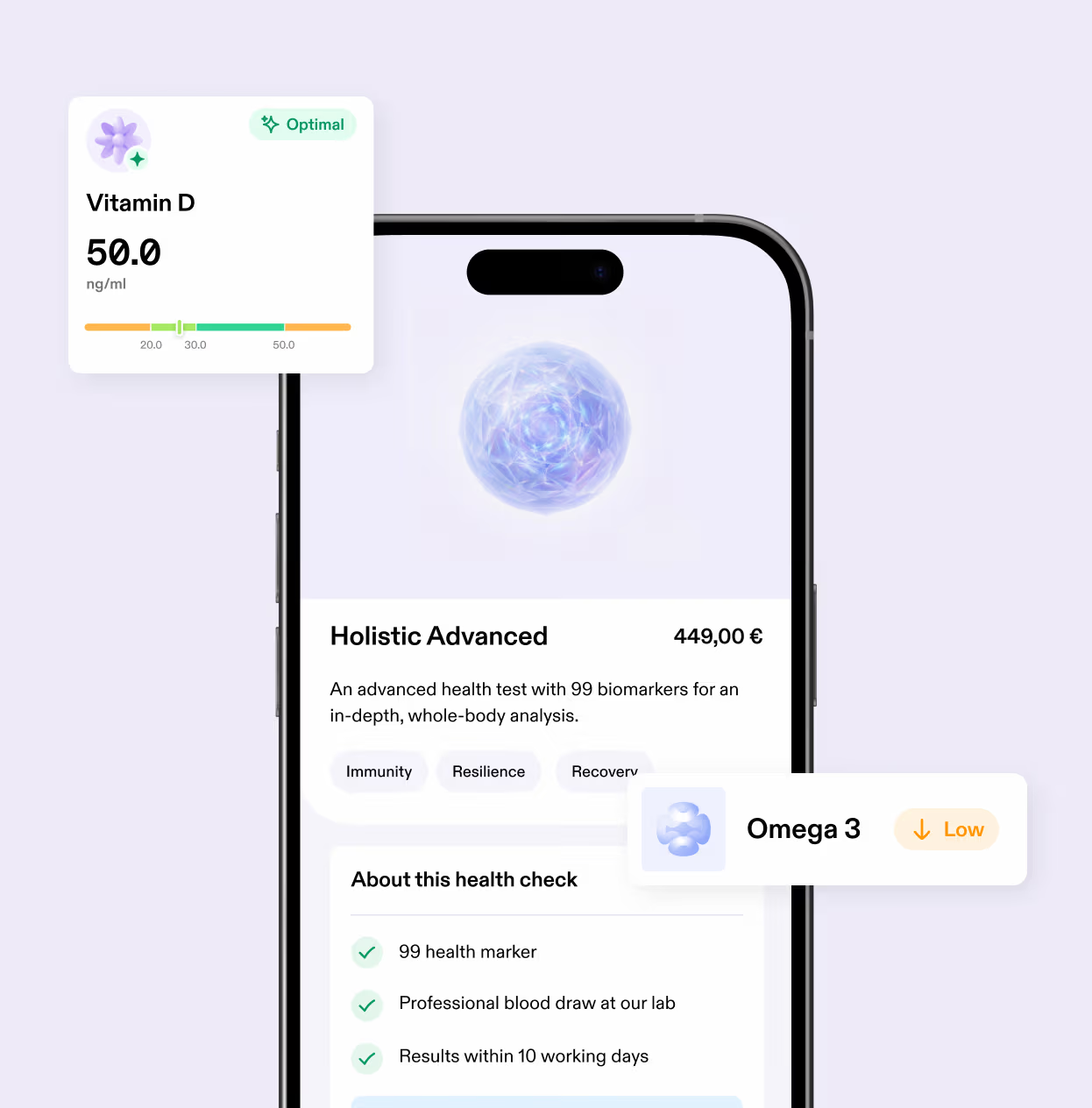
Holistic Advanced Package
Holistic Advanced measures 78 biomarkers to track metabolism, heart, organs & immunity.
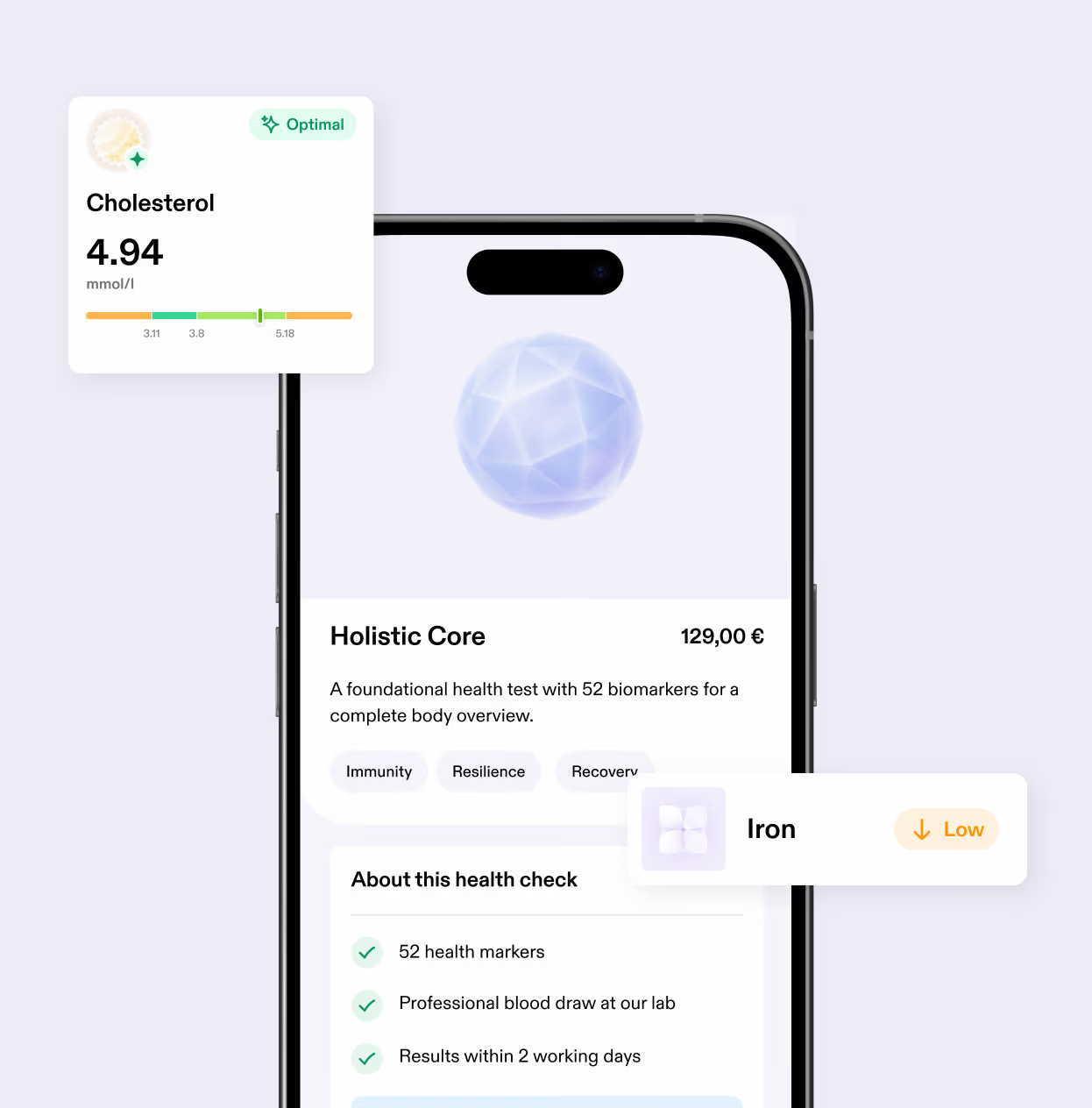
Holistic Core Package
A comprehensive baseline test covering heart health, metabolism, organ function, immune status, and inflammation for a full-body health overview.
Please note: Aware Health provides laboratory data for informational and wellness purposes. This data is not a substitute for professional medical advice, diagnosis, or treatment. Always discuss your results with a qualified healthcare provider.
Subscribe to our newsletter!
Articles, tips, and offers. Straight to your inbox.


Ready to take charge of your health?
Check, track, and improve your health and well-being.




.avif)
