
Updated on
April 2, 2026
The Most Important Blood Tests and Biomarkers to Check Regularly
We know regular blood testing is important, but which markers should you monitor frequently for optimal health?


Conventional medicine is based upon a system that waits for people to become sick before they take action to safeguard their health. At Aware, we believe prevention is always better than the cure, and prevention begins with a thorough understanding of your current health status. The biomarkers we cover in this article can be read as key indicators of overall health.
Regular blood testing can help you to:
- track your progress over time
- establish your personal baseline for health biomarkers
- detect any issues early on, before they become problems
- reduce your risk of developing diabetes, heart issues, or other chronic conditions
- understand what lifestyle changes you may benefit from implementing
- get a snapshot of your current health status
- gain peace of mind knowing that you’re proactively taking care of your health
With more regular testing, the data available to you to assess what changes you may need to make become more reliable and paint a clearer and more vivid picture of your overall health. The most crucial markers to monitor through regular blood testing are:
- (total) Cholesterol
- HDL
- LDL
- Triglycerides
- Creatinine
- HbA1c
- Glucose
- TSH
- ASAT
- ALAT
- GGT
- Iron
- Neutrophils
- Lymphocytes
- Monocytes
- Eosinophils
- Basophils
These biomarkers provide key insights into your heart, kidney, and liver health, and your metabolism, hormones, and nutrients. If you want to ensure you’re protecting yourself against chronic conditions and functioning at your best, getting these key areas under control is the place to start.
What exactly are biomarkers?
Biomarkers (short for biological markers) are objective, quantifiable characteristics that medical professionals use to measure normal biological processes – processes metabolism, hormone production, or the functioning of vital organs.
What Are Biomarkers And Why Are They Important?
Ready to take charge of your health?


Heart
The heart is a finely-tuned engine, beating around the clock – roughly 100,000 times a day – to carry away waste and to pump nutritious oxygen-rich blood to the organs and tissues of the body. A lot relies on your heart, which is why it’s important to make sure you can rely on it by making sure you have these biomarkers in check.
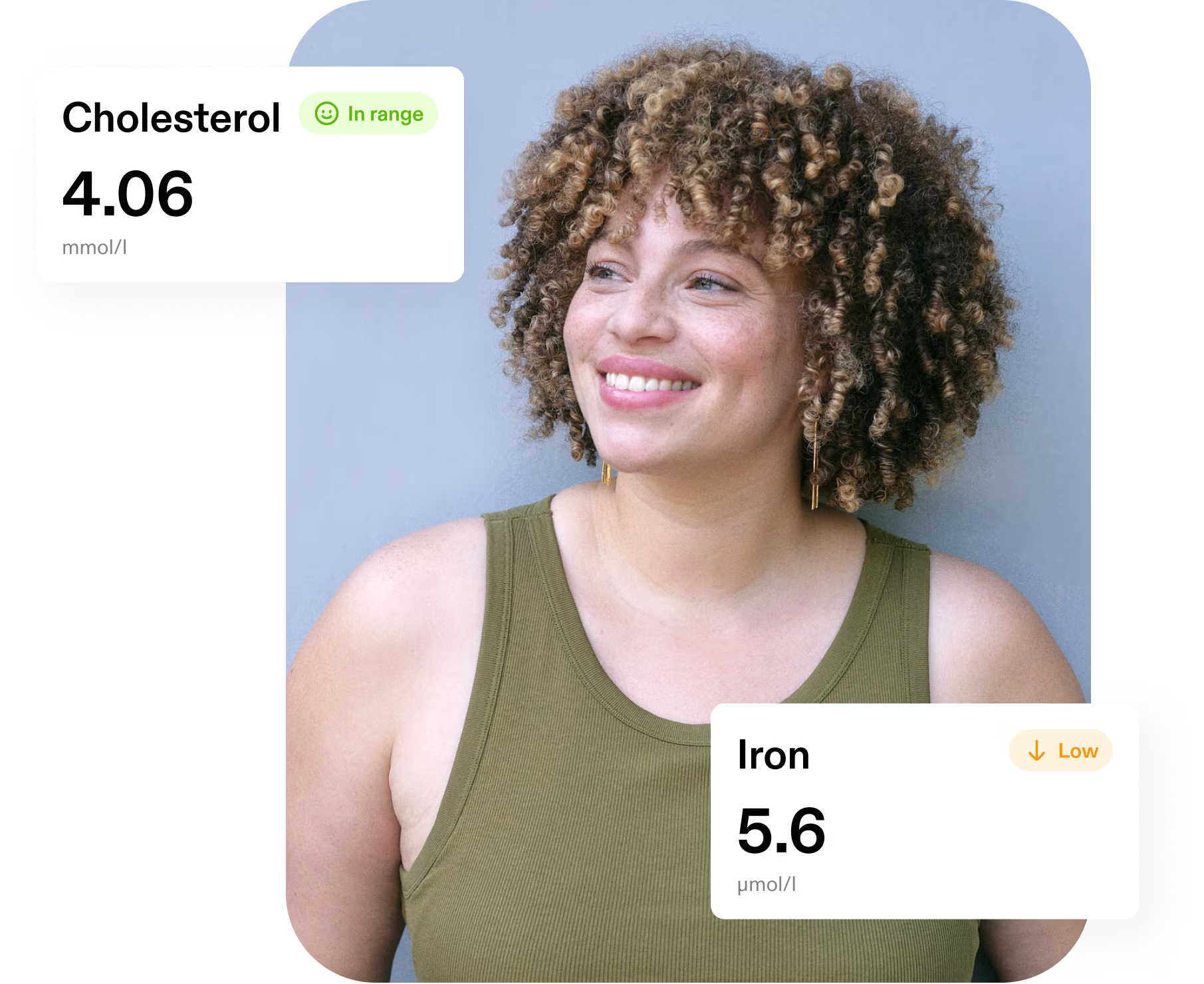
(Total) Cholesterol
Cholesterol is a waxy, fat-like substance that’s produced in your liver and present in every cell of your body.
Why it matters: Cholesterol helps you digest foods and produce hormones like estrogen, testosterone, and vitamin D. It also helps your body to build and maintain cells.
HDL Cholesterol
HDL stands for high density lipoprotein. It’s the kind people often refer to as “good” cholesterol.
Part of your body’s lipid transport system, these lipoprotein particles gather cholesterol from the arteries and deposit them in the liver to be used for hormone production and other key functions.
Why it matters: HDL keeps blood vessels clear of plaque which is crucial for heart health.
LDL Cholesterol
LDL – or low density lipoprotein – cholesterol is sometimes also known as “bad” cholesterol. However, the right amount of LDL cholesterol is important to your health. It carries cholesterol from your liver to the cells and circulates through your blood.
Why it matters: Too much LDL can cause plaque to build up in the arteries, which can lead to poor heart health.
Triglycerides
Triglycerides are a type of fat found in your blood and the main storage form of fatty acids in the body.
When you eat, your body stores the extra calories and sugars that it doesn’t need right away and stores them away in your fat cells. When your body requires an energy boost, triglycerides are then released by your hormones.
Why it matters: High triglyceride levels can lead to a number of health issues affecting the heart, pancreas, liver, and other organs.
Liver and kidneys
The liver and kidneys are responsible for hundreds of vital functions, from clearing toxins from the body and fighting infections to regulating blood glucose levels and producing bile to break down fats. Keeping them healthy is key to proactive preventive healthcare.
AST
Aspartate Aminotransferase (AST) is an enzyme. Though also present in the heart and other muscles, it’s found primarily in the liver.
Why it matters: AST helps break down amino acids – the building blocks of protein from food sources – and convert them into energy to power you through the day.
ALT
Similar to AST, Alanine transaminase (ALT) is an enzyme that helps to break down amino acids and primarily resides in the liver, though it’s also present elsewhere in the body. Alcohol and medications can contribute to high AST levels.
Why it matters: Elevated ALT levels can be an indicator that the liver is under duress and may be having a hard time removing toxins from the body.
GGT
Another liver enzyme, Gamma-Glutamyl Transpeptidase (GGT) – sometimes referred to by medical professionals as Gamma-GT – helps to break down toxins and eliminate them from your body.
Why it matters: Good GGT levels can improve energy levels and digestive health.
Creatinine
Creatinine is a chemical compound created as a byproduct of protein metabolism. It's produced in your muscles and then filtered out by the kidneys. It then exits the body through your urine.
Why it matters: Creatinine levels outside the healthy range can be an indicator of kidney issues. Testing them regularly helps you spot any issues early before they turn into problems.
Metabolism and hormones
Metabolism is the process by which the body turns calories into energy to power cellular processes. Metabolic health greatly affects your energy levels, weight, mood, and body composition.
HbA1c
Your HbA1c level shows your average blood sugar level over the last 2 to 3 months. An HbA1c test does this by detecting the amount of glucose attached to your hemoglobin. Around half of the input derives from the last month.
Why it matters: Hba1c helps indicate your risk for pre-diabetes and diabetes.
Glucose
Glucose – also known as blood sugar – is your body's primary source of energy. When you eat, your body releases glucose into the bloodstream to fuel your brain, power your muscles, and keep your body functioning as it should.
Why it matters: If your glucose levels are too high or too low this can potentially lead to both acute and chronic issues.
THS
THS stands for thyroid-stimulating hormone. It helps regulate your thyroid, a gland which controls key metabolic functions in your body.
Why it matters: Thyroid dysfunction can cause issues ranging from fatigue and hair loss to weight gain and depression, so it’s important to keep it functioning smoothly.
Vitamins, minerals, and nutrients
What you eat and drink and how your body absorbs and processes it has a huge effect on your health.
Vitamin D
Vitamin D is both a hormone and a nutrient. As a hormone, your liver generates vitamin D as a reaction to sunlight exposure. As a nutrient, you consume it through food, drink, and supplements.
Why it matters: Vitamin D helps build strong bones, supports your immune system, and can help you sustain energy levels and combat fatigue.
Iron
Iron is a mineral that occurs naturally in foods. It plays a crucial role in helping your body to generate red blood cells. It’s one of the main components of the red blood pigment hemoglobin – a protein that helps carry oxygen from your lungs all over your body.
Why it matters: Well-balanced iron levels keep you energized, aid immunity, and even increase athletic performance.
Inflammation, Immunity, and oxygen transport
These markers represent your body’s ability to fight infections, manage inflammation, and provide the cells with oxygen from the lungs.
CRP
C-reactive protein (CRP) is a protein released by your liver and sent into the bloodstream in response to inflammation.
Why it matters: CRP helps your body combat infections and plays an important role in the immune process. Elevated CRP levels are often an indication of inflammation in the body.
Neutrophils
Neutrophils are the most common type of white blood cell. Your neutrophil percentage is the proportionate amount of your white blood cells that are neutrophils.
Why it matters: Neutrophils are your body's first line of defense, fighting against infection and foreign invaders like bacteria in your body.
Lymphocytes
Lymphocytes are a kind of white blood cells, a group which also includes B cells and T cells. Lymphocytes protect your body against harmful viruses and bacteria and fight off cancer cells.
Why it matters: A low lymphocyte count can leave the body more susceptible to infections and lower immunity.
Monocytes
Monocytes help protect the body against infection. They clear away dead cells, repair damaged tissue and promote immune health.
Why it matters: A monocyte count outside the healthy range may indicate chronic stress, inflammation, or immune system dysfunction.
Eosinophils
Eosinophils circulate through your body and help protect against infections by ingesting bacteria, fungi, parasites, and other invaders. They also help with allergies and inflammation.
Why it matters: An imbalanced eosinophil count may reduce your body’s ability to fight off illness or indicate inflammation due to an allergic reaction or infection.
Basophils
Basophils are a type of white blood cell involved in allergic reactions, releasing chemicals that cause swelling and inflammation to help fight off infections.
Why it matters: Research links sufficient basophil levels with low levels of inflammation and fewer allergies.
The bottom line
Staying proactive is key to maintaining optimal health and happiness. The information contained in blood biomarkers can give early warning of any impending health issues long before physical symptoms occur.
Making sure that you’re regularly testing your blood for the biomarkers above ensures that there are no surprises when it comes to your health so you can experience peace of mind knowing all the moving parts of your body’s engine are working in perfect unison.
To get a better understanding of your blood biomarkers, sign up for the Aware early access program and start your personalized health journey with us today.

Package
Package
The content provided here is for informational purposes only and does not constitute medical advice, diagnosis, or treatment. Blood tests offered by Aware are for wellness and preventive monitoring. Always seek the advice of your physician regarding any medical condition or if you have symptoms.
Subscribe to our newsletter!
Articles, tips, and offers. Straight to your inbox.


Ready to take charge of your health?
Check, track, and improve your health and well-being.




.avif)
