
Updated on
July 28, 2026
The "20-Minute Gap": How Eating Speed Sabotages Your Metabolism
We live in a culture of efficiency. We drink coffee while walking to the train, eat sandwiches while answering emails, and view lunch breaks as "downtime" to be minimized. The quick bakery snack or the 10-minute desk lunch is a cultural staple.


But biologically, your metabolism cannot be "hacked" for speed. Digestion is a parasympathetic process, it requires a state of rest. When we treat fueling like a pit stop in a Formula 1 race, we disrupt the delicate hormonal signals that regulate weight, energy, and satiety.
Eating slowly isn't just about "mindfulness" or enjoying your food; it is a physiological necessity for metabolic health. Here is what happens inside your blood when you rush, and why slowing down might be the missing metric in your health data.
The Science: What Rushing Does to Your Blood
When you eat rapidly, you overwhelm your body’s processing capacity. This creates a cascade of hormonal events that can be measured in your biomarkers.
1. The Insulin Tsunami
Digestion begins in the mouth. Enzymes in saliva start breaking down carbohydrates before you even swallow. When you chew thoroughly and eat slowly, glucose enters your bloodstream at a steady, manageable rate. The Rush Effect: "Wolfing down" food dumps a massive load of glucose into the system all at once. Your pancreas must respond with a massive surge of Insulin to clear it. Over time, these violent spikes and crashes contribute to Insulin Resistance (high HOMA-Index) and the dreaded afternoon energy crash.
2. The Cortisol Conflict
Your nervous system has two modes: "Fight or Flight" (Sympathetic) and "Rest and Digest" (Parasympathetic). You cannot be in both at once. The Rush Effect: Eating while stressed, rushing, or distracted keeps Cortisol levels elevated. High cortisol actively inhibits digestion (blood is diverted to muscles, not the stomach) and signals the body to store energy as visceral fat. If your cortisol is chronically high, even a healthy salad can be metabolically mishandled.
3. The "Blind" Brain
Your fat cells and gut produce hormones like Leptin and PYY to tell your brain, "We have enough fuel, stop eating." However, this signal takes time, roughly 20 minutes to travel to the hypothalamus. The Rush Effect: If you finish a meal in 5 minutes, you have outpaced your biology. You literally cannot feel full yet, because the signal hasn't arrived. This leads to overeating not because of hunger, but because of a signaling lag. By the time the Leptin signal hits, you are already uncomfortably stuffed.
The Lifestyle Impact: The "Post-Lunch Coma"
The immediate consequence of fast eating is often the "Schnitzel Coma" or heavy fatigue after meals.
- Digestive Stress: Poorly chewed food is harder to break down, leading to bloating and reduced absorption of micronutrients like Zinc and Vitamin B12.
- Reactive Hypoglycemia: The massive insulin spike caused by fast eating often leads to a blood sugar crash 90 minutes later, triggering cravings for sugar and caffeine.
3 Actionable Tips to Slow Down
- The "Fork Down" Rule: Physically put your cutlery down on the table between every single bite. Do not pick it up again until you have swallowed. It sounds simple, but it effectively forces a break in the "shoveling" rhythm.
- Chew Your Liquids: It sounds odd, but swirling smoothies or soups in your mouth before swallowing stimulates salivary enzymes and prepares the stomach for digestion, reducing the glucose spike.
- The First 5 Minutes: If you can't spend an hour eating, commit to eating the first half of your meal in silence and without screens. This allows the initial satiety signals to register before you get distracted.
The Aware Solution: Check Your "Rush" Markers
You might think you are eating well, but is your pace undermining your plate?
If you suspect that stress or eating habits are impacting your metabolism, looking at the data can provide clarity.
- Metabolism Core tracks your HOMA-Index, showing if rapid glucose influxes are causing resistance.
- Metabolism Plus adds Cortisol, revealing if stress is hijacking your digestion.
- Metabolism Advanced includes Leptin, helping you understand your body's natural satiety signals.
Metabolism isn't just about what you eat. It's about how your body receives it. Give your body the time it needs to do its job.
Ready to take charge of your health?


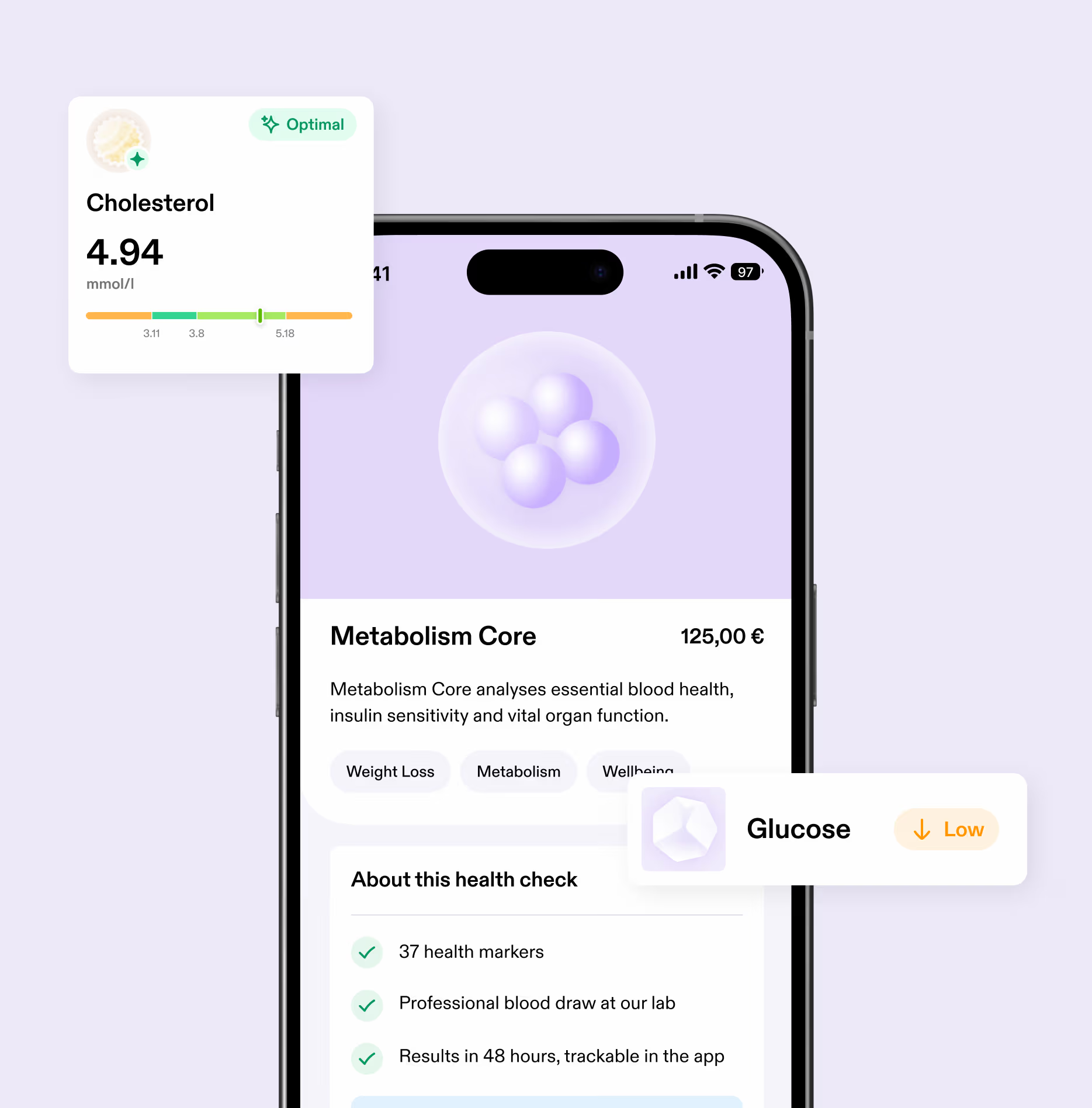
Metabolism Core Package
Metabolism Core analyses essential blood health, insulin sensitivity and vital organ function.
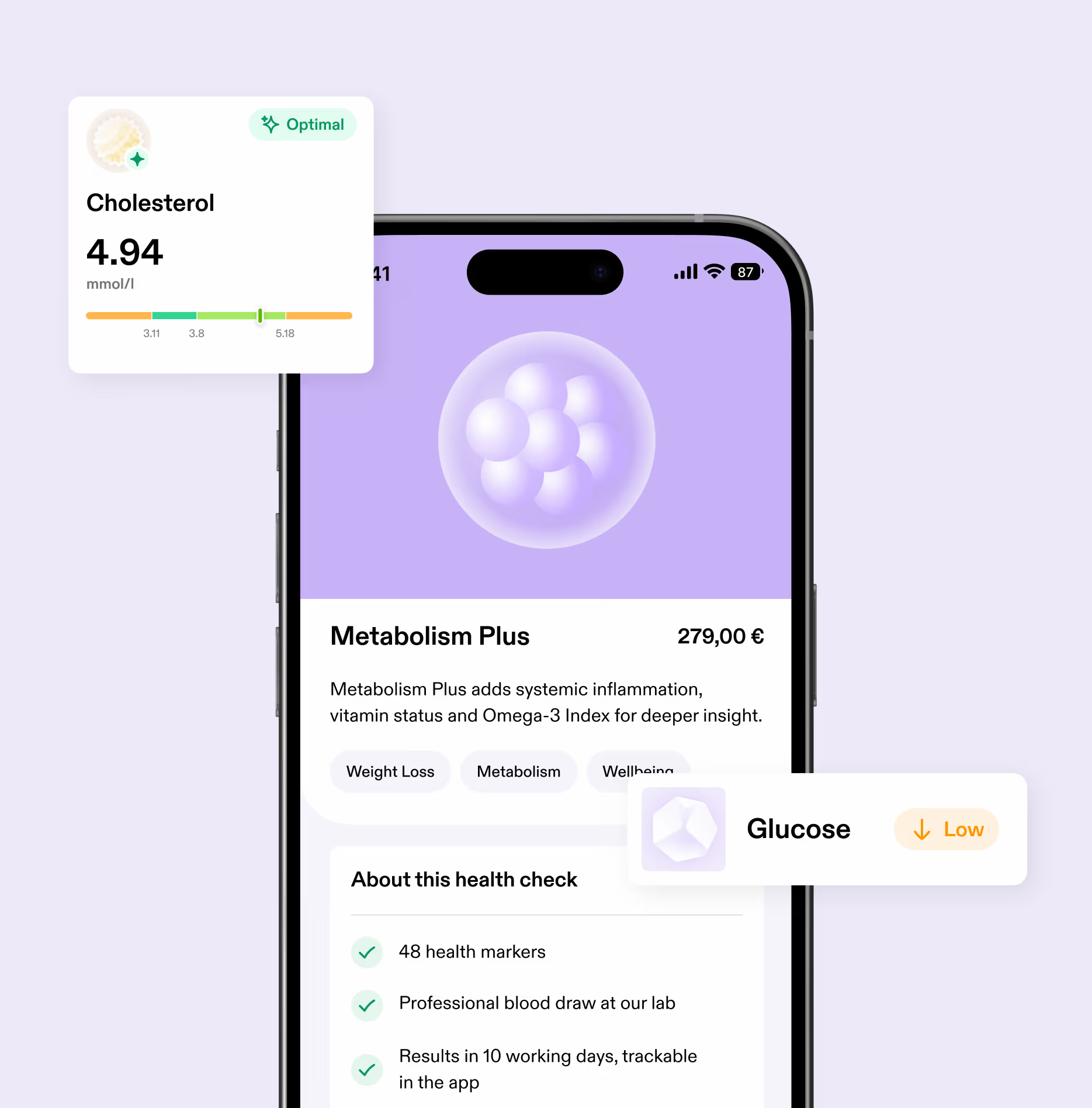
Metabolism Plus Package
Metabolism Plus adds systemic inflammation, vitamin status and Omega-3 Index for deeper insight.
This article is for informational purposes only and does not constitute medical advice. Please consult a qualified healthcare professional for personal medical guidance.
Subscribe to our newsletter!
Articles, tips, and offers. Straight to your inbox.


Ready to take charge of your health?
Check, track, and improve your health and well-being.




.avif)
