


The heavy coats finally go into storage, the days get longer, and most of us feel the pull to reset. We clean the flat, clear the inbox, swap the Glühwein for smoothies. But the one system we rarely stop to actually examine is the one doing all the heavy lifting: our metabolism.
And that oversight matters, because your metabolism does not know it is spring. It responds to data: blood glucose, triglycerides, thyroid hormones, inflammatory markers. If those numbers drifted during a darker, less active few months, no amount of intention will shift how you feel until the underlying chemistry catches up.
This is what a metabolic reset actually means. Not a detox, not a juice fast. It means understanding where your markers are right now, and giving your body what it needs to recalibrate. The starting point is always a blood test.
What is a metabolic reset, and why does it matter?
Metabolism is the sum of every chemical process your body uses to turn food into energy. It is not just about how fast you burn calories. It governs blood sugar regulation, fat storage, hormone production, inflammation, and how well your cells respond to insulin.
When metabolic health starts to decline, it usually does so quietly. You might notice fatigue that does not resolve with sleep, a creeping weight gain that feels disproportionate to what you eat, an afternoon energy crash that has become routine. These are early signals, not character flaws.
Around 1 in 4 European adults meets the criteria for metabolic syndrome, a cluster of conditions including elevated blood glucose, high triglycerides, low HDL cholesterol, raised blood pressure, and excess abdominal fat. [Source: MARE Consortium, 34,000+ European adults]
The problem is that metabolic dysfunction builds gradually. Research published in PMC found that around 80% of people with early signs of insulin resistance had normal fasting glucose and HbA1c on standard tests — meaning the conventional markers missed what a broader biomarker panel would have caught. [Source: 2]
A metabolic reset is not about dramatic intervention. It is about identifying where your metabolism has drifted and making targeted adjustments — to nutrition, movement, sleep, and supplementation, based on what your actual blood results show.
The key biomarkers of metabolic health
Understanding your metabolism means looking at several markers together. No single number tells the whole story.
Fasting glucose
This measures how much sugar is still circulating in your blood after 12 hours without food. When it stays elevated, your cells have likely begun to resist insulin's signal to absorb that glucose, the hallmark of developing insulin resistance. A reading within range is reassuring, but it is only one piece of the picture.
HbA1c (glycated haemoglobin)
Where fasting glucose shows your blood sugar at a single moment, HbA1c reflects your average glucose level over the past two to three months. Glucose molecules bind to haemoglobin in your red blood cells. The more consistently elevated your blood sugar, the more glycated haemoglobin accumulates. It is the long view on how your metabolism has been managing sugar.
Fasting insulin
This is where many standard health checks fall short. Your glucose can look completely normal while your pancreas is quietly working overtime to keep it there, pumping out more and more insulin to compensate for cells that have become less responsive. Fasting insulin measures that compensatory effort directly.
Triglycerides and HDL cholesterol
High triglycerides paired with low HDL is one of the most consistent patterns in insulin resistance. When the liver is processing excess glucose, it converts it to fat and releases it into the bloodstream as triglycerides. Meanwhile, HDL, the cholesterol particle associated with cardiovascular protection tends to fall. This combination is a reliable early signal that fat and sugar metabolism is under strain.
Thyroid function (TSH, fT3, fT4)
The thyroid regulates your metabolic rate at a cellular level. TSH (thyroid-stimulating hormone) signals the thyroid to produce T4, which converts to the active form T3 in peripheral tissues. When thyroid function slows as it can after periods of high stress, poor sleep, or nutritional deficiency — your resting metabolic rate falls, energy drops, and body composition often shifts. Thyroid markers are essential to any meaningful metabolic picture.
hs-CRP (high-sensitivity C-reactive protein)
Chronic low-grade inflammation is closely intertwined with metabolic dysfunction. hs-CRP is a protein produced by the liver in response to inflammation and in people with insulin resistance, it is frequently elevated, even when there is no obvious illness. Tracking it gives you a window into the systemic inflammatory load that sits alongside poor metabolic health.
Liver enzymes (ALT, GGT)
Your liver is central to metabolic regulation. It manages glucose storage, processes dietary fat, and filters metabolic waste. When liver cells are stressed by excess fat accumulation, a common early consequence of insulin resistance enzymes like ALT and GGT leak into the bloodstream. A slightly elevated reading here is often the first sign that metabolic health has begun to slide.
Why winter often pushes your markers off course
It is not just imagination. Several biological mechanisms explain why metabolic markers tend to drift between November and March.
Vitamin D production depends on UVB exposure, and after months of limited sun, levels in many people fall well below optimal. Vitamin D receptors are found on cells throughout the body, including those involved in insulin signalling and immune regulation. Low Vitamin D has been associated with impaired glucose metabolism and increased inflammatory markers.
Beyond that, reduced physical activity during colder months means less glucose is being cleared by muscle tissue. Sleep patterns shift. Caloric intake tends to increase. Each of these factors nudges metabolic markers particularly glucose, triglycerides, and inflammatory proteins in the wrong direction.
The good news is that these are all reversible. But reversing them effectively requires knowing where you are starting from.
How to check your metabolic markers with Aware
Aware's metabolic packages are designed to give you a clear picture of where your metabolism stands, across the markers that actually matter. Results are delivered directly in the Aware app, with clear interpretation and personalised recommendations based on your specific values.
All metabolic tests require a 12-hour fast before your blood draw. Aware clinics are available here, with results typically returned within two to ten working days depending on which package you choose.
Ready to take charge of your health?


If you are new to blood testing and want a clear starting point, Metabolism Core covers the essential markers. If you have already had a basic panel and want to understand why you are still feeling off, Metabolism Plus adds the inflammation and micronutrient context that basic tests miss. Metabolism Advanced is suited to those who want the most comprehensive metabolic snapshot available before making significant changes to training, nutrition, or supplementation.
What to do with your results
A blood result is not a verdict. It is a data point — a clear picture of where you are today, not a fixed statement about who you are.
When your Aware results arrive, you will see each biomarker with its value, the reference range, and a plain-language interpretation. The app highlights which markers are within range and which deserve attention, along with specific recommendations for each area.
A few general principles are worth keeping in mind:
If your fasting glucose or HbA1c is trending upward, prioritise consistent movement after meals — even a 10-minute walk helps muscle tissue absorb glucose — and reduce rapidly digested carbohydrates in the evening. Fibre and protein at each meal slow glucose entry into the bloodstream.
If triglycerides are elevated alongside low HDL, reducing refined carbohydrates and increasing Omega-3 fatty acids (ideally confirmed with an Omega-3 Index test) can produce measurable improvements within 8 to 12 weeks for many people, though individual results will vary depending on baseline levels and lifestyle factors.
If thyroid markers are off, the next step is a conversation with your doctor before making any changes to supplements or diet. Thyroid function is highly individual — what supports one person can be counterproductive for another, and your specific values will guide the right approach.
If hs-CRP is elevated, look at sleep quality, alcohol intake, and physical recovery. Chronic inflammation is downstream of multiple lifestyle inputs, and the appropriate response depends on what else your panel shows.
Retesting after 8 to 12 weeks of targeted changes gives you meaningful feedback. Aware is built for exactly this kind of tracking over time.
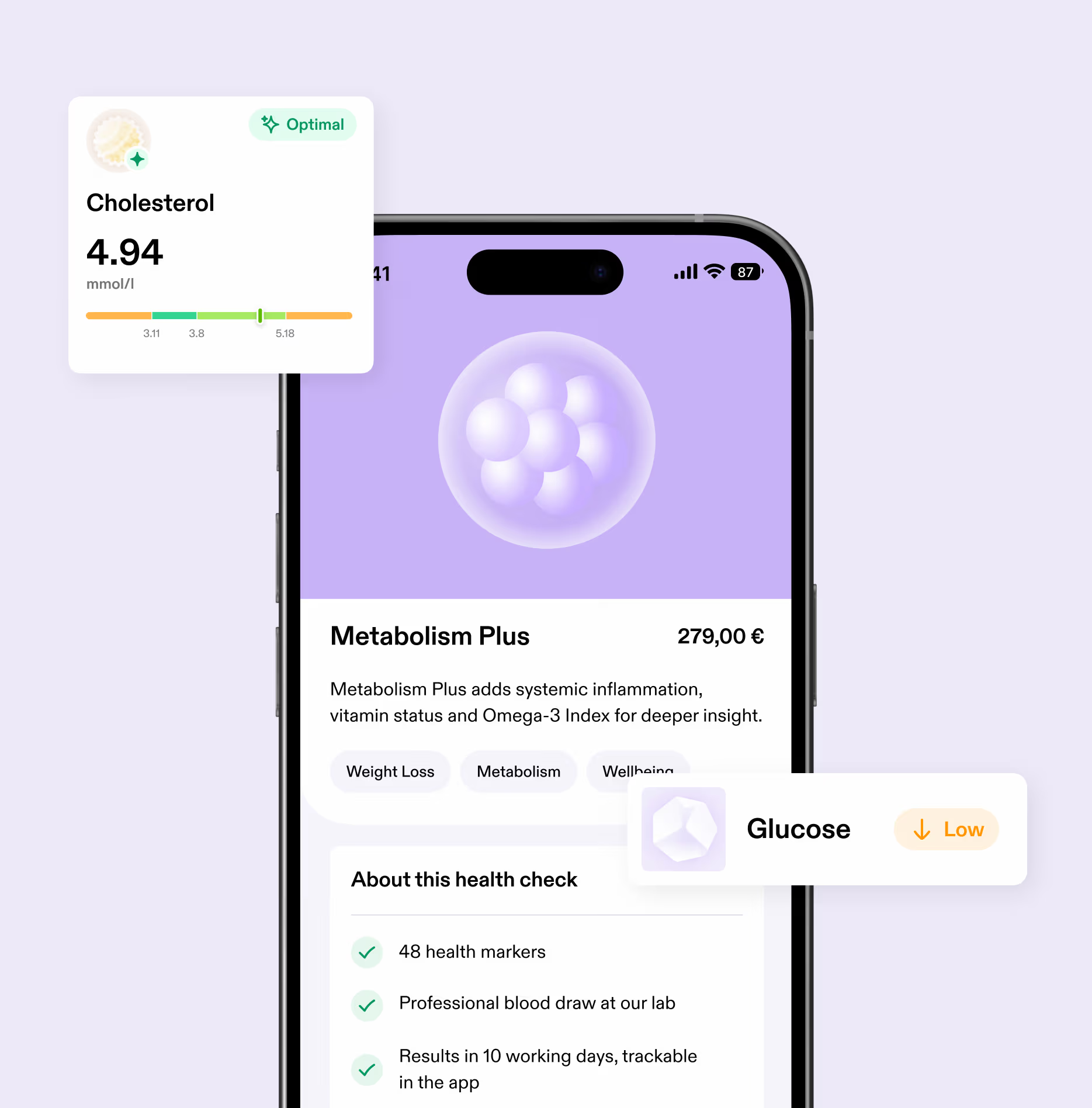
Metabolism Plus Package
Metabolism Plus adds systemic inflammation, vitamin status and Omega-3 Index for deeper insight.
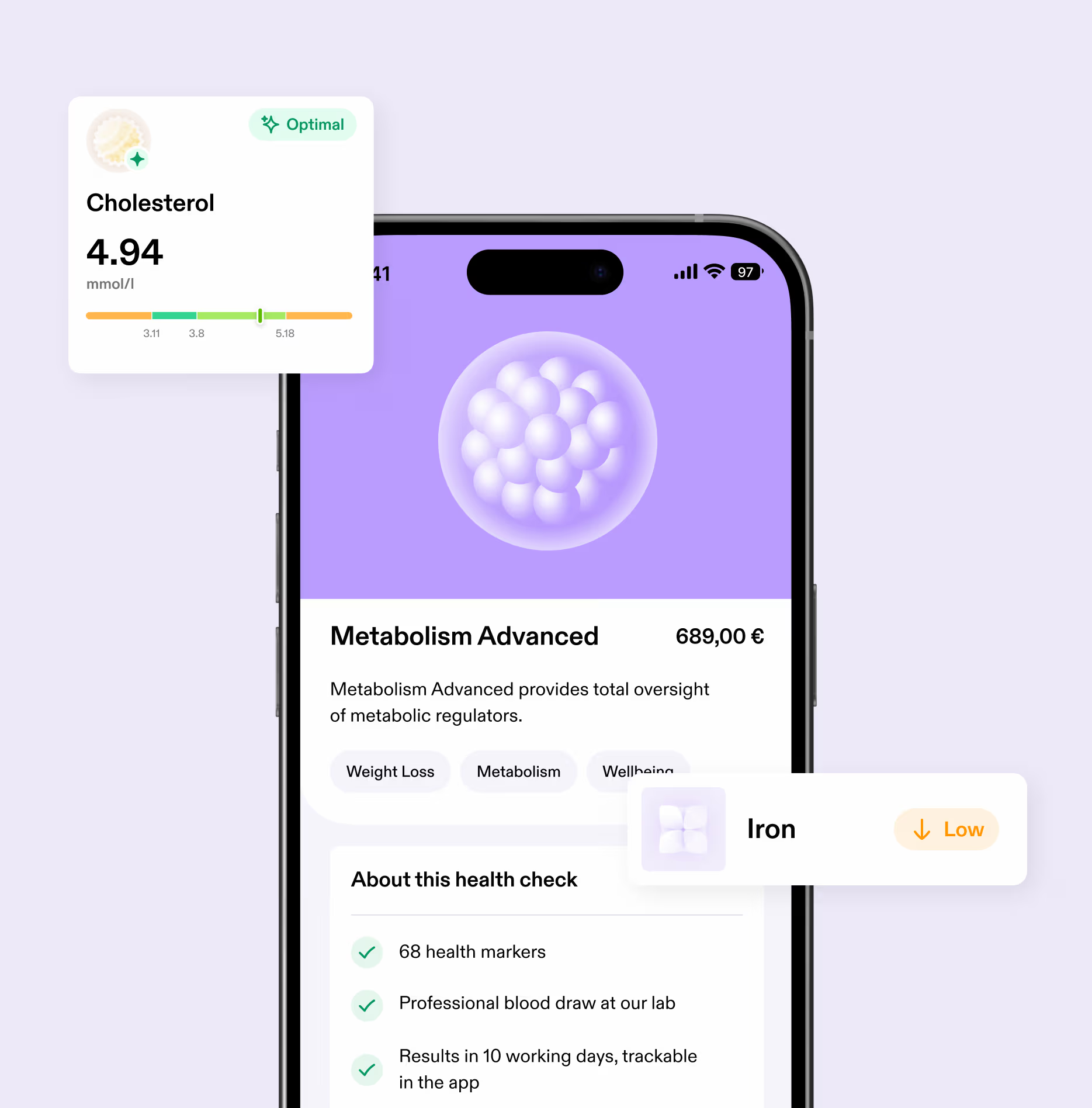
Metabolism Advanced Package
Metabolism Advanced provides total oversight of metabolic regulators.
This article is for informational purposes only and does not constitute medical advice. Please consult a qualified healthcare professional for personal medical guidance.
Can a blood test tell you if your metabolism is slow?
Yes and no. There is no single marker labelled 'metabolic rate' — but a combination of thyroid hormones, fasting insulin, triglycerides, and glucose gives a reliable picture of how efficiently your body is managing energy. If thyroid function is low and insulin is elevated, those two factors alone can explain significant fatigue, weight resistance, and sluggish recovery.
Do I need to fast before a metabolic blood test?
For accurate results on glucose, triglycerides, and fasting insulin, a 12-hour fast before your blood draw is required. Water is fine. Aware's booking confirmation will include all pre-test instructions specific to your chosen package.
How long does it take to reset your metabolism?
Meaningful changes in blood markers typically become visible within 8 to 12 weeks of consistent lifestyle adjustments, though this varies by individual and starting baseline. HbA1c, for example, reflects a two to three-month average — so you need at least that long to see a shift. Triglycerides can respond faster, sometimes within four to six weeks of dietary changes.
What blood tests show metabolic health?
A thorough metabolic panel should include fasting glucose, HbA1c, fasting insulin, a full lipid profile (including triglycerides and HDL), thyroid markers (TSH, fT3, fT4), liver enzymes (ALT, GGT), and ideally hs-CRP for inflammation. Vitamin D and Omega-3 status are valuable additions. Aware's metabolic packages cover these markers across three tiers.
Subscribe to our newsletter!
Articles, tips, and offers. Straight to your inbox.


Ready to take charge of your health?
Check, track, and improve your health and well-being.




.avif)
