


Metabolic health describes the state of your metabolism—the way your body breaks down food and uses it for energy. It is the central engine of your overall health and well-being.
Around 1 in 4 European adults experience metabolic health issues, which can lead to insulin resistance, obesity, diabetes, and heart disease. But what exactly is a “healthy” metabolism, and how can you make sure yours is in good condition? In this article, we'll explore the 5 key markers of metabolic health and why it's so important to stay on top of them. Plus, we'll share actionable tips on how you can start improving your metabolic health today.
Why Does Metabolic Health Matter?
When your metabolism is working well, it puts you in a prime position to function at your best in your daily activities and live a more energized life. When metabolic health starts to slide, it can impact your life in several ways.
Symptoms of suboptimal metabolic health include:
- Bad sleep
- Systemic inflammation (often measured by hs-CRP)
- Anxiety or mood fluctuations
- Sexual dysfunction
- Unwanted weight gain
- Fertility issues
- Chronic pain
But metabolic health isn't just about what’s happening in the short term; it also influences your risk of developing chronic diseases. A healthy metabolism helps regulate blood sugar levels, which can reduce the risk of type 2 diabetes. It also helps keep Cholesterol levels in a healthy range, reducing the risk of plaque building up in your arteries and causing blockages that can lead to poor heart health and stroke.
Which Markers to Track for Metabolic Health
There’s no hard-and-fast definition of metabolic health, but many experts define it as showing healthy ranges in the following five markers without the need for medication:
- Blood pressure: A typical part of routine health visits is measuring the force of blood against your artery walls. High blood pressure causes your heart to work harder, leading to cardiovascular issues.
- Blood glucose: If your Fasting Glucose or HbA1c (long-term sugar average) stay higher than usual for a long time, blood vessels may get damaged. If your body doesn't respond to insulin properly, you may have Insulin Resistance, which can be precisely identified using the HOMA-Index.
- Triglycerides: The body converts excess calories into Triglycerides. These may be stored in fat cells but can also build up in the blood. High levels, especially in combination with high LDL-Cholesterol, increase the likelihood of heart health issues.
- HDL-cholesterol: This is the "healthy" cholesterol your body needs to function. Good HDL levels help maintain a healthy heart by working to get rid of excess cholesterol. However, modern science now looks deeper at ApoB to measure the actual number of plaque-forming particles.
- Waist circumference: This measures excess stomach (visceral) fat, which can drive up Cortisol and inflammation, making it challenging for your heart and other organs to function properly.
One of the best ways you can safeguard your metabolic health and proactively prevent chronic conditions is by monitoring your biomarkers through routine blood work.
What is Metabolic Syndrome?
Metabolic syndrome is not a disease in itself, but a cluster of conditions that indicate a person’s chances of developing coronary heart disease, stroke, or type 2 diabetes. If 3 or more of the 5 key markers outlined above are out of range, your doctor may diagnose you with metabolic syndrome.
Factors that increase these chances include genetics, lack of regular exercise, and poor eating habits. A large study of over 34,000 European adults found that 24.3% had metabolic syndrome. Having a combination of high triglycerides, blood pressure, and waist circumferences was found in 18.5% of people in Germany.
Keeping on Top of Your Metabolic Health
Many things can impact your metabolism, including age, genetics, and biological sex. While you can't control everything, here are the steps you can take to give your body the best chance of working properly.
1. Pick high-protein foods
Getting enough protein helps keep your Blood Glucose levels from spiking too high after mealtimes, promoting a stable rise instead. According to the World Health Organisation (WHO), it’s good to limit protein from fatty sources like sausages, bacon, and ham. Adults should aim for roughly 0.8g of protein per kg of body weight daily (e.g., 72g for a 90kg person).
- Protein-rich foods include: Chicken, fish, nuts, seeds, beans, tofu, eggs, and low-fat dairy.
2. Look for low-glycemic foods
The glycemic index (GI) ranks how much certain foods increase blood sugar. Foods with a low GI digest more slowly, providing a steadier energy supply and supporting better Insulin Sensitivity.
- Low GI foods include: Green vegetables, berries, cheese, oats, brown rice, yogurt, chickpeas, and kidney beans.
3. Eat the rainbow
Incorporating fruits and vegetables of all colors onto your plate provides essential vitamins and phytonutrients. These act as antioxidants, helping your body lower hs-CRP (inflammation) and stay nutritious while remaining fiber-rich and low-calorie.
- Red: Bell peppers, beets, radishes
- Orange/Yellow: Carrots, sweet potatoes, pumpkin, squash, apples
- Green: Swiss chard, avocados, brussels sprouts
- Blue/Purple: Blueberries, blackberries, red cabbage, eggplant
- White/Brown: Cauliflower, onion, mushrooms
4. Fit in some exercise
Regular exercise protects your body by enhancing metabolic function in organs such as the liver and pancreas. It helps your body become more sensitive to insulin (improving your HOMA-Index), lowers cholesterol, and reduces inflammation. Biomarkers like gGT, ALAT, and ASAT can help you track how your liver is responding to your activity levels. Aim for 150 minutes of moderate exercise per week, starting small with brisk walks or jogging.
5. Adopt healthier sleep habits
About one-third of the German population struggles to fall or stay asleep. Sleeping less than 6 hours (or more than 8) is linked to higher chances of metabolic syndrome and Insulin Resistance.
- Improve sleep hygiene by: Avoiding screens 1-2 hours before bed, keeping your room cool and dark, and trying stress-lowering activities like warm baths or reading.
6. Manage your stress
High stress is linked directly to poor metabolic health because it keeps Cortisol elevated. This can lead to muscle breakdown and stubborn weight gain. Try deep breathing, spending time outdoors in nature, or listening to calming music to keep your stress markers in check.
Ready to take charge of your health?


Stop Guessing, Start Tuning: The Aware Solution
You wouldn't drive a car for years without checking the oil or the transmission fluid. Yet, we often navigate our health based on how we "feel" that day. The problem is, metabolic biomarkers whisper long before they scream. Aware offers tiered deep-dives to help you move from vague feelings to precision data:
- Metabolism Core: Your diagnostic foundation. It covers the primary drivers discussed in this guide: your full lipid profile (LDL/HDL/Triglycerides), long-term sugar (HbA1c), and Ferritin. It also tracks organ efficiency via Liver Enzymes and the FIB-4 Index.
- Metabolism Plus: For those seeking optimization. This package adds high-resolution markers like ApoB (cardiovascular risk), TSH (thyroid), and Cortisol (stress). It also catches silent inflammation with hs-CRP and monitors key nutrients like Vitamin D, Magnesium, and your Omega-3 Index.
- Metabolism Advanced: The ultimate look "under the hood" for longevity enthusiasts. This comprehensive analysis goes beyond metabolic markers to include Adiponectin and Leptin (satiety and fat metabolism), a full hormone panel (Testosterone, DHEAS, Estradiol, SHBG), and a deeper thyroid profile (fT3, fT4). It also provides a detailed look at micronutrients like Selenium, Zinc, and Vitamin B6, alongside enzymes like Amylase and Lipase for a complete picture of your metabolic health.
You can't manage what you don't measure. To get an inside look at your metabolic health and improve your long-term well-being, explore the Aware Metabolism checkups today.
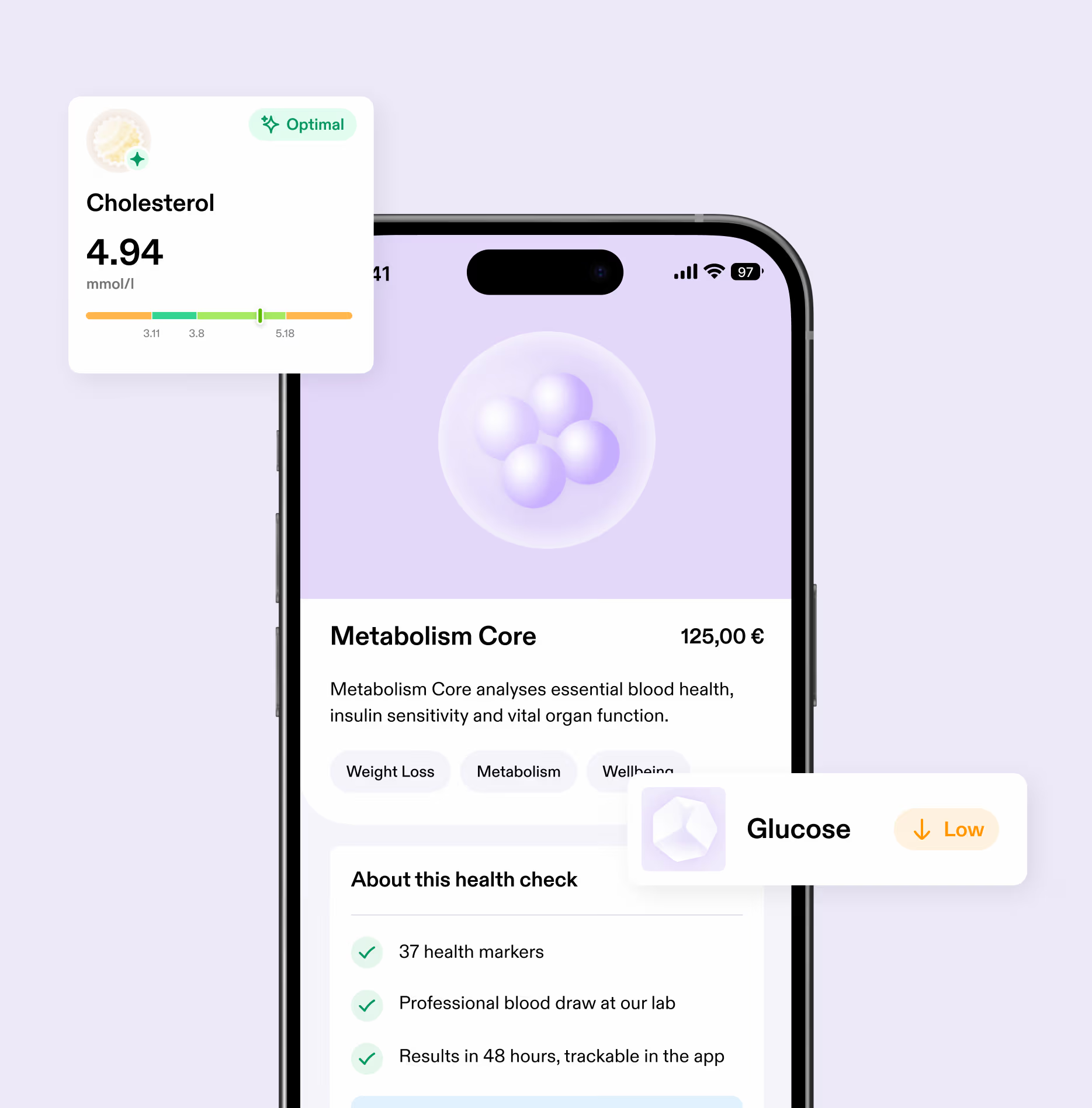
Metabolism Core Package
Metabolism Core analyses essential blood health, insulin sensitivity and vital organ function.
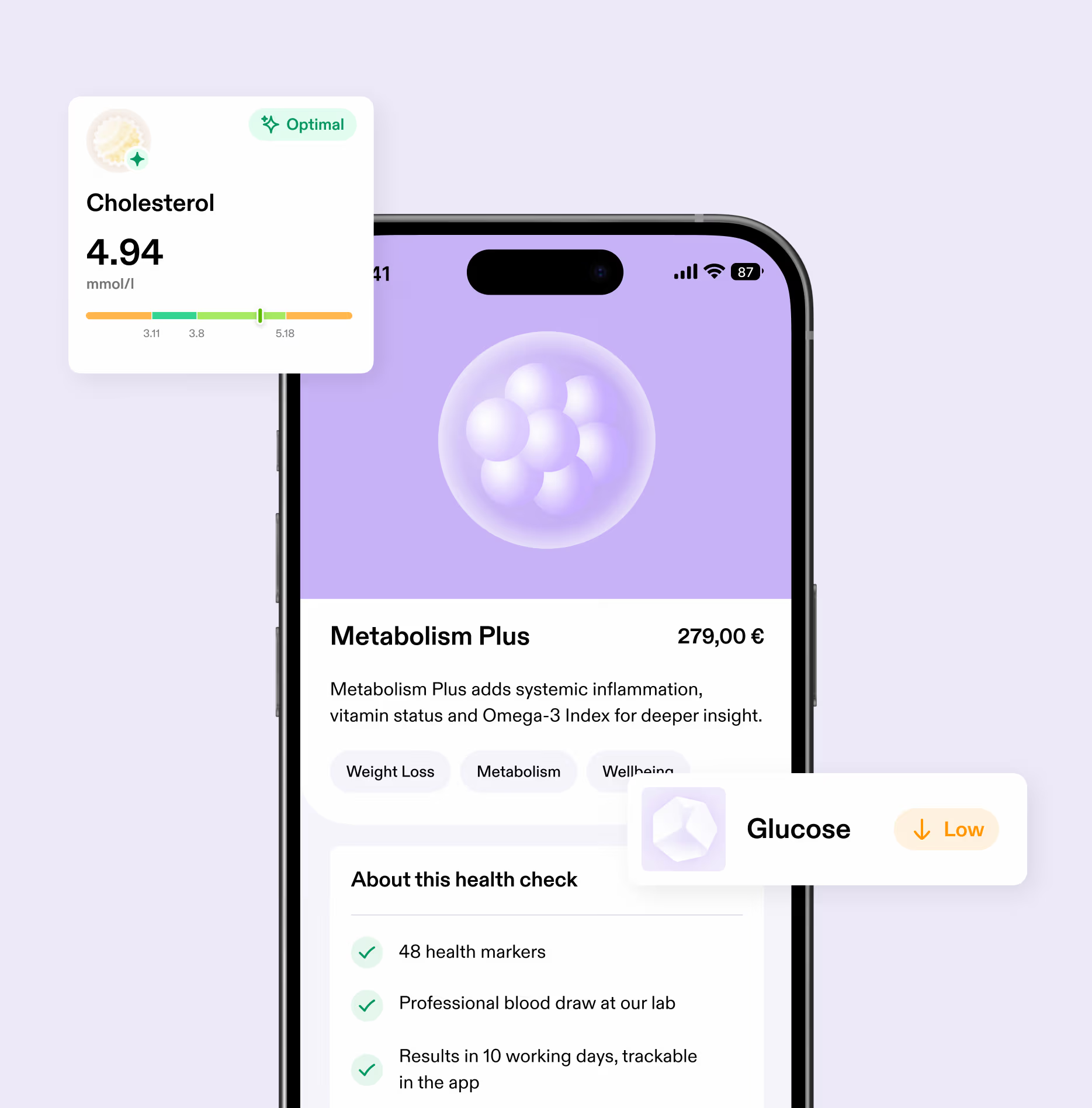
Metabolism Plus Package
Metabolism Plus adds systemic inflammation, vitamin status and Omega-3 Index for deeper insight.
The content provided here is for informational purposes only and does not constitute medical advice, diagnosis, or treatment. Blood tests offered by Aware are for wellness and preventive monitoring. Always seek the advice of your physician regarding any medical condition or if you have symptoms.
Subscribe to our newsletter!
Articles, tips, and offers. Straight to your inbox.


Ready to take charge of your health?
Check, track, and improve your health and well-being.




.avif)
