Health packages for every need
Cardiovascular System
24,95 €
Heading
Analyzes key risk factors such as cholesterol, inflammation markers and blood lipids to detect cardiovascular problems at an early stage.
35+ Health
16,95 €
Heading
Checks the most important blood values for people aged 35 and over in order to specifically prevent age-related health risks.
Diabetes Risk
19,95 €
Heading
Measures glucose, insulin, long-term blood sugar and other markers to detect signs of a disturbed sugar metabolism at an early stage.
Skin
69,95 €
Heading
Covers relevant micronutrients, vitamins and inflammation markers that influence skin appearance, cell regeneration and elasticity.
Complete Blood Count
9,95 €
Heading
Provides a comprehensive overview of blood cells, hemoglobin, hematocrit and shows indications of infections, deficiencies or inflammation.
Vegetarian or Vegan Diet
24,95 €
Heading
Measures iron, B12 and other vital substances for a balanced vegetarian or vegan diet.
Fertility & Pregnancy
29,95 €
Heading
Measures folic acid, iron and thyroid levels to ensure that the body is optimally prepared for pregnancy.
Immune System
19,95 €
Heading
Measures immune cells, inflammation levels and iron status for a strong immune system.
Liver
9,95 €
Heading
Measures enzymes and metabolic values to detect possible liver stress at an early stage.
hs-CRP is a protein produced by the liver in response to inflammation. It helps detect low levels of chronic inflammation in the body, which can be an early sign of cardiovascular disease or other health conditions.
Cystatin C is a small protein in the blood that the kidneys filter out. Measuring it helps assess kidney health more reliably than creatinine, since it is much less affected by muscle, diet, or ethnicity.
eGFR (cystatin C), or estimated glomerular filtration rate from cystatin C, uses blood cystatin C, age, and sex to assess kidney function. It’s often more sensitive than creatinine and less affected by muscle or diet.
Holo-Transcobalamin is the active form of vitamin B12. It's crucial for DNA synthesis, red blood cell production, and nerve health. It’s the best biomarker for B12 levels, detecting deficiency early and accurately.
Selenium is a trace mineral that helps your body produce DNA and protects against cell damage. It’s also key for reproductive health and thyroid function.
Lipoprotein (a), or Lp(a), is a protein that transports fats and cholesterol. Your levels are determined by genetics and are an indicator of cardiovascular disease risk.
RDW (Red Cell Distribution Width) measures the size variation of your red blood cells. It is key for differentiating types of anemia and detecting nutritional deficiencies like iron or Vitamin B12.
Derived mean glucose is an estimated average blood glucose level calculated from HbA1c, reflecting overall blood sugar control over the past 2–3 months.
Albumin-corrected calcium adjusts total calcium for low or high albumin levels, providing a more accurate biomarker of true physiologically active calcium status.
Creatinekinase (CK) is an enzyme that facilitates energy storage in muscles. High levels usually signal muscle tissue damage, heart injury, or the results of very intense physical exertion.
FIB-4 Index (Fibrosis Score) is a calculation based on age, AST, ALT, and platelet count that helps estimate the likelihood of liver fibrosis. It is a screening tool and cannot replace a medical diagnosis.
Cortisol is a steroid hormone produced by the adrenal glands. It plays a key role in the body’s stress response, metabolism of carbohydrates, proteins, and fats, and regulation of blood pressure and immune function.
White blood cells, or leukocytes, are the defenders of your body. They help your immune system fight off infection and promote healing. Their primary role is to protect the body from foreign invaders such as bacteria or viruses.
Progesterone is a hormone that plays an important role in the menstrual cycle and the early phases of pregnancy. It also influences mood, sleep, bone health, and sex drive.
Insulin is a hormone produced by the pancreas that regulates blood sugar levels in the body. Measuring fasting insulin can help detect early signs of insulin resistance, a precursor to diabetes.
Apolipoprotein B, or ApoB, is a protein that transports fat and cholesterol around the body. It measures the amount of “bad” cholesterol in the blood and is the best blood-based predictor of heart disease risk.
Vitamin B2, or riboflavin, is a water-soluble vitamin that's essential for general health. It plays a vital role in the digestive system and helps keep your liver, eyes, nerves, muscles, and skin healthy.
The omega-3 index measures the levels of eicosapentaenoic acid (EPA) and docosahexaenoic acid (DHA) in red blood cell membranes relative to other fatty acids. This provides insight into your dietary omega-3 intake.
Red blood cells, or erythrocytes, are the most common kind of blood cell. They carry oxygen from your lungs throughout your body and are shaped like doughnuts, with a central protein called hemoglobin that binds with oxygen.
Only 1-2% of all testosterone is unbound by proteins and circulates freely in the blood. Unbound testosterone is the biologically active form of the hormone.
Estradiol is a hormone regulating the development of female characteristics and reproductive health. It's produced by both males and females, but in higher amounts by females.
HOMA-IR checks for insulin resistance, a condition that can lead to diabetes, heart disease, or high blood pressure. It's calculated using fasting glucose and insulin levels.
Vitamin B12 is a water-soluble vitamin that you get from foods and supplements. It's involved in many processes, including the production of red blood cells and DNA, metabolism, and brain function.
Triiodothyronine (T3) is a thyroid hormone that's important for metabolic health and impacts the entire body. The fT3 test measures levels of unbound T3 in the blood to assess how well the thyroid is working.
Magnesium is an important mineral for a range of processes. It helps regulate blood pressure, blood sugar, and heart rate, supports strong bones, and keeps your muscles and nerves working properly.
Eicosapentaenoic acid (EPA) is an omega-3 fatty acid found in fish and some algae. EPA can support the heart, improve endurance, and enhance recovery.
The HS-Trans-Index reflects how many trans fatty acids are built into your red blood cell membranes, shown as a percentage of total fatty acids. Since your body cannot make trans fats itself, it gives a long-term picture of your dietary intake and its impact on heart and metabolic health.
Hemoglobin is a protein in red blood cells that carries oxygen from lungs to muscles, brain, digestive system and all other parts of your body. It's what makes your blood red.
Follicle-stimulating hormone (FSH) is produced by the pituitary gland and links the brain and the sex organs. It affects sperm production and the formation of egg-carrying follicles during the menstrual cycle.
Thyroxine (T4) is a thyroid hormone that impacts metabolism, energy levels, reproductive health, and more. The fT4 test measures levels of unbound T4 in the blood to assess thyroid function.
Vitamin B9, also known as folate or folic acid, is a water-soluble vitamin that’s found naturally in many foods. It plays a vital role in the formation of DNA and red blood cells and supports brain function.
The free testosterone index (FTI) estimates how much active testosterone is in your blood for your cells and tissues to use.
Docosahexaenoic acid (DHA) is an omega-3 fatty acid found in fish and some algae. DHA supports heart health and enhances athletic performance, including recovery and endurance.
Hematocrit is the percentage of red blood cells in your blood. It indicates how dense the blood is.
Luteinizing hormone (LH) from the pituitary gland connects the brain to the gonads. In males, it triggers testosterone; in females, it orchestrates menstrual cycles and prompts ovulation and egg implantation.
Vitamin B6 is a water-soluble vitamin and essential nutrient you need to get through your diet. It supports brain development and helps your nerves and immune system function properly.
Thrombocytes, or platelets, are the part of your blood that help with clotting. When you get cut, platelets cluster at your wound to stop the bleeding, acting as a natural bandage.
DHEA (dehydroepiandrosterone) is a hormone that affects the development of biological features commonly classified as male. DHEAS is a slightly different but more stable form of DHEA, and is easier to measure.
Ferritin is a protein that stores iron, a mineral that's essential for transporting oxygen around the body. Ferritin can also help fight off pathogens.
MCV stands for mean corpuscular volume, which is a measurement of the size of your red blood cells. They carry oxygen through your blood.
Sex hormone-binding globulin (SHBG) is mainly produced in the liver and controls the amount of available active sex hormones such as oestrogen and testosterone.
Mean corpuscular hemoglobin, or MCH, is a measurement of the average quantity of hemoglobin in each of your red blood cells. Hemoglobin is necessary for the efficient transport of oxygen through your bloodstream.
The main function of prolactin is stimulating milk production following childbirth in females. In males it influences libido and fertility.
MCHC, or mean corpuscular hemoglobin concentration, is the average concentration of hemoglobin found in a red blood cell. It's calculated by dividing hemoglobin by hematocrit.
Testosterone is a sex hormone that's important for muscle and bone strength, sperm production, ovarian function, and sex drive. It's mainly produced in the testes, ovaries, and adrenal glands.
Transferrin is a protein that binds to iron in the blood. It takes iron molecules to cells so they can carry out several important functions, including energy production.
Zinc is a trace mineral that supports DNA production, the immune system, and metabolism. It’s sometimes called the “beauty mineral” because it's involved in maintaining your skin, nails, and hair.
Lymphocytes are white blood cells that lead a specific immune response – part of a larger group including monocytes, B-cells, and T-cells. The lymphocytes % refers to how many of all your white blood cells are lymphocytes.
Vitamin D is a fat-soluble nutrient you can eat and a hormone your body makes in response to sun. It promotes the absorption of calcium and phosphorus from foods to help you build strong bones and teeth.
Transferrin is a protein produced in your liver that regulates the amount of iron absorbed by the blood. Transferrin saturation assesses your iron stores to see how much you have in your system.
Lymphocytes are white blood cells that lead a specific immune response – part of a larger group including monocytes, B-cells, and T-cells. The lymphocytes % refers to how many of all your white blood cells are lymphocytes.
Monocytes are white blood cells that fight infection. They clean up old tissue and bacteria and help repair damaged tissue. The percentage of monocytes describes the proportion of total white blood cells that are monocytes.
Monocytes are white blood cells that fight infection. They clean up old tissue and bacteria and help repair damaged tissue. The absolute monocyte count is a measure of the number of these type of white blood cells in your blood.
Basophils are white blood cells that play a key role in allergic reactions and release chemicals that cause swelling and inflammation. The basophil percentage describes their amount relative to all white blood cells in the sample.
Basophils are white blood cells that play a key role in allergic reactions and release chemicals that cause swelling and inflammation. The absolute basophil count describes the number of basophils in a blood sample.
Eosinophils are white blood cells that help protect against infections. They circulate through your body, ingesting bacteria, fungi, and other invaders. The percentage describes their amount relative to all white blood cells.
Eosinophils are white blood cells that help protect against infections. They circulate through your body, ingesting bacteria, fungi, and other invaders. The absolute count is the number of eosinophils per microliter of blood.
Neutrophils are the most abundant type of white blood cells. They fight bacteria and other foreign invaders. The percentage of neutrophils refers to how many of your white blood cells are neutrophils.
Neutrophils are the most abundant type of white blood cells. They fight bacteria and other foreign invaders. The absolute neutrophil count identifies how many neutrophils are in a sample of your blood.
Your HbA1c level shows your average blood sugar level over the last 2 to 3 months. About half of the contribution comes from the last 30 days. It helps indicate your risk for pre-diabetes and diabetes.
Glucose, or blood sugar, is the primary source of energy for your body. It enters your bloodstream after you eat and travels around your body to supply your brain and muscles with fuel.
Calcium is a mineral that is essential for healthy bones, teeth, muscles, and nerves. It also helps with blood clotting.
Potassium is an electrolyte which helps your body regulate fluid levels. It also keeps your muscles and nerves working properly.
Sodium is a mineral that helps to keep the right balance of fluids in your body. The kidneys regulate healthy sodium levels in the blood by removing excess amounts in urine.
Iron is a mineral that occurs naturally in foods and is important for making red blood cells. It's a main component of the red blood pigment hemoglobin, which helps your body transport oxygen from your lungs to the rest of the body.
Amylase is a digestive enzyme produced in your pancreas which helps to break down carbohydrates. It's also present in your saliva, where it begins to break down starches before they reach the stomach.
Lipase is an enzyme or digestive juice that breaks down fat and is primarily found in the cells of your pancreas. It's necessary to help you digest your food.
Bilirubin is a yellow substance that is produced as a byproduct of the breakdown of old red blood cells. It is converted by your liver and released into blood, bile, urine, or stool.
Cholesterol is a waxy, fat-like substance and produced in your liver. It's vital to produce hormones and vitamin D, and helps you digest foods.
High-density lipoprotein (HDL), often called "good" cholesterol, is a big part of your body's lipid transport system. It helps remove excess cholesterol from your body, keeps blood vessels clear and the heart healthy.
Low-density lipoprotein (LDL) carries cholesterol from your liver to the cells and circulates in your blood. It's often referred to as "bad" cholesterol, but some levels are important for your health.
Non-HDL cholesterol is a way of measuring how much "bad" cholesterol is in your blood. It is calculated by subtracting HDL ("good") cholesterol from the total amount of cholesterol.
Triglycerides are a type of fat in your blood, and the main storage form of fatty acids in your body. They're stored in your liver and muscle tissue as energy for when you need it. They are also known as 'blood fats'.
Uric acid is a byproduct of DNA and cell renewal. It's a waste product that also forms in your body when you digest protein. It’s found in many foods, especially meats and fish, but also in some vegetables and grains.
Creatinine is a byproduct of protein metabolism, meaning that it's produced in your muscles and then filtered out by the kidneys. It's excreted in your urine.
eGFR, or estimated glomerular filtration rate, is a way of measuring how well your kidneys are filtering waste. It estimates how much blood tiny filters in your kidney called glomeruli can clean every minute based on your body size.
Alkaline phosphatase (AP) is an enzyme found in several tissues, including the liver and bones. It plays a key role in breaking down proteins and is important for bone growth and liver function.
Aspartate Aminotransferase (ASAT) is an enzyme found primarily in your liver, but also in your heart and muscles. It helps to break down amino acids and convert them into energy for your body.
Alanine transaminase (ALAT, ALT, GPT) is an enzyme that helps to break down amino acids, which in turn supply your body with energy. It is found primarily in your liver.
Gamma-Glutamyl Transferase (GGT) is an enzyme found in your liver. It helps to break down toxins and eliminate them from your body.
Lactate dehydrogenase (LDH) is an enzyme that helps to break down glucose in your muscles. It's present in almost all your body tissues, and released in case of cell damage. This makes it a marker for muscle and heart muscle injury.
Albumin is a protein produced in your liver and found in blood plasma that carries fatty acids and hormones. It also helps regulate your blood pressure.
Total protein (TP) is a measure of the amount of protein in your blood. These proteins are a key component of your cell function, repair, and growth. They also play a role in blood clotting, immune defense, and hormone production.
Immunoglobulin G (IgG) is the most common antibody in your body. It helps your immune system fight bacteria, viruses, and fungi. IgG provides long-term immunity and can last for years after infection with a virus or bacteria.
Thyroid-stimulating hormone (TSH) is a hormone that helps regulate your thyroid gland, which affects how your body functions. If it's not working properly, it can cause problems like fatigue, hair loss, weight gain or depression.
Urea is a waste product formed in the liver during protein metabolism and excreted by the kidneys. Blood urea levels reflect protein intake, hydration status, and, to some extent, kidney function.
Chloride is an essential mineral that helps keep the fluid inside and outside your cells in balance. It also helps maintain healthy blood pressure and the proper acid levels required for your blood to function.
Phosphate is an essential mineral in the body that plays a key role in bone formation, energy metabolism (ATP), and cellular signaling. Blood phosphate levels are used to assess kidney function, bone health, and mineral balance.
Homocysteine is a non-proteinogenic amino acid. B12, folate, and B6 recycle it into methionine for protein building and cysteine for antioxidant defense. This process is vital for heart and brain health.
Cholinesterase is an enzyme produced mainly by the liver that helps break down acetylcholine and other substances in the blood. Blood cholinesterase levels are used to assess liver function and possible exposure to certain toxins.
Parathyroid Hormone (PTH) is a hormone that keeps blood calcium levels steady. It manages how bones and kidneys handle minerals to maintain a healthy balance for nerve and muscle function.
Adiponectin is a protein hormone that helps regulate glucose levels and fatty acid breakdown. It enhances the body’s sensitivity to insulin and protects against inflammation to support overall metabolic and cardiovascular health.
Leptin is a hormone primarily produced by your fat cells that acts as the body's "fuel gauge." It communicates directly with the brain to regulate long-term energy balance by signaling when you are full and determining how much body fat is stored or burned.

Analyzes key risk factors such as cholesterol, inflammation markers and blood lipids to detect cardiovascular problems at an early stage.

Checks the most important blood values for people aged 35 and over in order to specifically prevent age-related health risks.
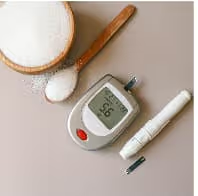
Measures glucose, insulin, long-term blood sugar and other markers to detect signs of a disturbed sugar metabolism at an early stage.

Covers relevant micronutrients, vitamins and inflammation markers that influence skin appearance, cell regeneration and elasticity.

Provides a comprehensive overview of blood cells, hemoglobin, hematocrit and shows indications of infections, deficiencies or inflammation.

Measures iron, B12 and other vital substances for a balanced vegetarian or vegan diet.

Measures folic acid, iron and thyroid levels to ensure that the body is optimally prepared for pregnancy.

Measures immune cells, inflammation levels and iron status for a strong immune system.
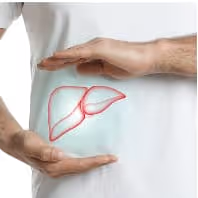
Measures enzymes and metabolic values to detect possible liver stress at an early stage.


hs-CRP is a protein produced by the liver in response to inflammation. It helps detect low levels of chronic inflammation in the body, which can be an early sign of cardiovascular disease or other health conditions.
Cystatin C is a small protein in the blood that the kidneys filter out. Measuring it helps assess kidney health more reliably than creatinine, since it is much less affected by muscle, diet, or ethnicity.
eGFR (cystatin C), or estimated glomerular filtration rate from cystatin C, uses blood cystatin C, age, and sex to assess kidney function. It’s often more sensitive than creatinine and less affected by muscle or diet.
Holo-Transcobalamin is the active form of vitamin B12. It's crucial for DNA synthesis, red blood cell production, and nerve health. It’s the best biomarker for B12 levels, detecting deficiency early and accurately.
Selenium is a trace mineral that helps your body produce DNA and protects against cell damage. It’s also key for reproductive health and thyroid function.
Lipoprotein (a), or Lp(a), is a protein that transports fats and cholesterol. Your levels are determined by genetics and are an indicator of cardiovascular disease risk.
RDW (Red Cell Distribution Width) measures the size variation of your red blood cells. It is key for differentiating types of anemia and detecting nutritional deficiencies like iron or Vitamin B12.
Derived mean glucose is an estimated average blood glucose level calculated from HbA1c, reflecting overall blood sugar control over the past 2–3 months.
Albumin-corrected calcium adjusts total calcium for low or high albumin levels, providing a more accurate biomarker of true physiologically active calcium status.
Creatinekinase (CK) is an enzyme that facilitates energy storage in muscles. High levels usually signal muscle tissue damage, heart injury, or the results of very intense physical exertion.
FIB-4 Index (Fibrosis Score) is a calculation based on age, AST, ALT, and platelet count that helps estimate the likelihood of liver fibrosis. It is a screening tool and cannot replace a medical diagnosis.
Cortisol is a steroid hormone produced by the adrenal glands. It plays a key role in the body’s stress response, metabolism of carbohydrates, proteins, and fats, and regulation of blood pressure and immune function.
White blood cells, or leukocytes, are the defenders of your body. They help your immune system fight off infection and promote healing. Their primary role is to protect the body from foreign invaders such as bacteria or viruses.
Progesterone is a hormone that plays an important role in the menstrual cycle and the early phases of pregnancy. It also influences mood, sleep, bone health, and sex drive.
Insulin is a hormone produced by the pancreas that regulates blood sugar levels in the body. Measuring fasting insulin can help detect early signs of insulin resistance, a precursor to diabetes.
Apolipoprotein B, or ApoB, is a protein that transports fat and cholesterol around the body. It measures the amount of “bad” cholesterol in the blood and is the best blood-based predictor of heart disease risk.
Vitamin B2, or riboflavin, is a water-soluble vitamin that's essential for general health. It plays a vital role in the digestive system and helps keep your liver, eyes, nerves, muscles, and skin healthy.
The omega-3 index measures the levels of eicosapentaenoic acid (EPA) and docosahexaenoic acid (DHA) in red blood cell membranes relative to other fatty acids. This provides insight into your dietary omega-3 intake.
Red blood cells, or erythrocytes, are the most common kind of blood cell. They carry oxygen from your lungs throughout your body and are shaped like doughnuts, with a central protein called hemoglobin that binds with oxygen.
Only 1-2% of all testosterone is unbound by proteins and circulates freely in the blood. Unbound testosterone is the biologically active form of the hormone.
Estradiol is a hormone regulating the development of female characteristics and reproductive health. It's produced by both males and females, but in higher amounts by females.
HOMA-IR checks for insulin resistance, a condition that can lead to diabetes, heart disease, or high blood pressure. It's calculated using fasting glucose and insulin levels.
Vitamin B12 is a water-soluble vitamin that you get from foods and supplements. It's involved in many processes, including the production of red blood cells and DNA, metabolism, and brain function.
Triiodothyronine (T3) is a thyroid hormone that's important for metabolic health and impacts the entire body. The fT3 test measures levels of unbound T3 in the blood to assess how well the thyroid is working.
Magnesium is an important mineral for a range of processes. It helps regulate blood pressure, blood sugar, and heart rate, supports strong bones, and keeps your muscles and nerves working properly.
Eicosapentaenoic acid (EPA) is an omega-3 fatty acid found in fish and some algae. EPA can support the heart, improve endurance, and enhance recovery.
The HS-Trans-Index reflects how many trans fatty acids are built into your red blood cell membranes, shown as a percentage of total fatty acids. Since your body cannot make trans fats itself, it gives a long-term picture of your dietary intake and its impact on heart and metabolic health.
Hemoglobin is a protein in red blood cells that carries oxygen from lungs to muscles, brain, digestive system and all other parts of your body. It's what makes your blood red.
Follicle-stimulating hormone (FSH) is produced by the pituitary gland and links the brain and the sex organs. It affects sperm production and the formation of egg-carrying follicles during the menstrual cycle.
Thyroxine (T4) is a thyroid hormone that impacts metabolism, energy levels, reproductive health, and more. The fT4 test measures levels of unbound T4 in the blood to assess thyroid function.
Vitamin B9, also known as folate or folic acid, is a water-soluble vitamin that’s found naturally in many foods. It plays a vital role in the formation of DNA and red blood cells and supports brain function.
The free testosterone index (FTI) estimates how much active testosterone is in your blood for your cells and tissues to use.
Docosahexaenoic acid (DHA) is an omega-3 fatty acid found in fish and some algae. DHA supports heart health and enhances athletic performance, including recovery and endurance.
Hematocrit is the percentage of red blood cells in your blood. It indicates how dense the blood is.
Luteinizing hormone (LH) from the pituitary gland connects the brain to the gonads. In males, it triggers testosterone; in females, it orchestrates menstrual cycles and prompts ovulation and egg implantation.
Vitamin B6 is a water-soluble vitamin and essential nutrient you need to get through your diet. It supports brain development and helps your nerves and immune system function properly.
Thrombocytes, or platelets, are the part of your blood that help with clotting. When you get cut, platelets cluster at your wound to stop the bleeding, acting as a natural bandage.
DHEA (dehydroepiandrosterone) is a hormone that affects the development of biological features commonly classified as male. DHEAS is a slightly different but more stable form of DHEA, and is easier to measure.
Ferritin is a protein that stores iron, a mineral that's essential for transporting oxygen around the body. Ferritin can also help fight off pathogens.
MCV stands for mean corpuscular volume, which is a measurement of the size of your red blood cells. They carry oxygen through your blood.
Sex hormone-binding globulin (SHBG) is mainly produced in the liver and controls the amount of available active sex hormones such as oestrogen and testosterone.
Mean corpuscular hemoglobin, or MCH, is a measurement of the average quantity of hemoglobin in each of your red blood cells. Hemoglobin is necessary for the efficient transport of oxygen through your bloodstream.
The main function of prolactin is stimulating milk production following childbirth in females. In males it influences libido and fertility.
MCHC, or mean corpuscular hemoglobin concentration, is the average concentration of hemoglobin found in a red blood cell. It's calculated by dividing hemoglobin by hematocrit.
Testosterone is a sex hormone that's important for muscle and bone strength, sperm production, ovarian function, and sex drive. It's mainly produced in the testes, ovaries, and adrenal glands.
Transferrin is a protein that binds to iron in the blood. It takes iron molecules to cells so they can carry out several important functions, including energy production.
Zinc is a trace mineral that supports DNA production, the immune system, and metabolism. It’s sometimes called the “beauty mineral” because it's involved in maintaining your skin, nails, and hair.
Lymphocytes are white blood cells that lead a specific immune response – part of a larger group including monocytes, B-cells, and T-cells. The lymphocytes % refers to how many of all your white blood cells are lymphocytes.
Vitamin D is a fat-soluble nutrient you can eat and a hormone your body makes in response to sun. It promotes the absorption of calcium and phosphorus from foods to help you build strong bones and teeth.
Transferrin is a protein produced in your liver that regulates the amount of iron absorbed by the blood. Transferrin saturation assesses your iron stores to see how much you have in your system.
Lymphocytes are white blood cells that lead a specific immune response – part of a larger group including monocytes, B-cells, and T-cells. The lymphocytes % refers to how many of all your white blood cells are lymphocytes.
Monocytes are white blood cells that fight infection. They clean up old tissue and bacteria and help repair damaged tissue. The percentage of monocytes describes the proportion of total white blood cells that are monocytes.
Monocytes are white blood cells that fight infection. They clean up old tissue and bacteria and help repair damaged tissue. The absolute monocyte count is a measure of the number of these type of white blood cells in your blood.
Basophils are white blood cells that play a key role in allergic reactions and release chemicals that cause swelling and inflammation. The basophil percentage describes their amount relative to all white blood cells in the sample.
Basophils are white blood cells that play a key role in allergic reactions and release chemicals that cause swelling and inflammation. The absolute basophil count describes the number of basophils in a blood sample.
Eosinophils are white blood cells that help protect against infections. They circulate through your body, ingesting bacteria, fungi, and other invaders. The percentage describes their amount relative to all white blood cells.
Eosinophils are white blood cells that help protect against infections. They circulate through your body, ingesting bacteria, fungi, and other invaders. The absolute count is the number of eosinophils per microliter of blood.
Neutrophils are the most abundant type of white blood cells. They fight bacteria and other foreign invaders. The percentage of neutrophils refers to how many of your white blood cells are neutrophils.
Neutrophils are the most abundant type of white blood cells. They fight bacteria and other foreign invaders. The absolute neutrophil count identifies how many neutrophils are in a sample of your blood.
Your HbA1c level shows your average blood sugar level over the last 2 to 3 months. About half of the contribution comes from the last 30 days. It helps indicate your risk for pre-diabetes and diabetes.
Glucose, or blood sugar, is the primary source of energy for your body. It enters your bloodstream after you eat and travels around your body to supply your brain and muscles with fuel.
Calcium is a mineral that is essential for healthy bones, teeth, muscles, and nerves. It also helps with blood clotting.
Potassium is an electrolyte which helps your body regulate fluid levels. It also keeps your muscles and nerves working properly.
Sodium is a mineral that helps to keep the right balance of fluids in your body. The kidneys regulate healthy sodium levels in the blood by removing excess amounts in urine.
Iron is a mineral that occurs naturally in foods and is important for making red blood cells. It's a main component of the red blood pigment hemoglobin, which helps your body transport oxygen from your lungs to the rest of the body.
Amylase is a digestive enzyme produced in your pancreas which helps to break down carbohydrates. It's also present in your saliva, where it begins to break down starches before they reach the stomach.
Lipase is an enzyme or digestive juice that breaks down fat and is primarily found in the cells of your pancreas. It's necessary to help you digest your food.
Bilirubin is a yellow substance that is produced as a byproduct of the breakdown of old red blood cells. It is converted by your liver and released into blood, bile, urine, or stool.
Cholesterol is a waxy, fat-like substance and produced in your liver. It's vital to produce hormones and vitamin D, and helps you digest foods.
High-density lipoprotein (HDL), often called "good" cholesterol, is a big part of your body's lipid transport system. It helps remove excess cholesterol from your body, keeps blood vessels clear and the heart healthy.
Low-density lipoprotein (LDL) carries cholesterol from your liver to the cells and circulates in your blood. It's often referred to as "bad" cholesterol, but some levels are important for your health.
Non-HDL cholesterol is a way of measuring how much "bad" cholesterol is in your blood. It is calculated by subtracting HDL ("good") cholesterol from the total amount of cholesterol.
Triglycerides are a type of fat in your blood, and the main storage form of fatty acids in your body. They're stored in your liver and muscle tissue as energy for when you need it. They are also known as 'blood fats'.
Uric acid is a byproduct of DNA and cell renewal. It's a waste product that also forms in your body when you digest protein. It’s found in many foods, especially meats and fish, but also in some vegetables and grains.
Creatinine is a byproduct of protein metabolism, meaning that it's produced in your muscles and then filtered out by the kidneys. It's excreted in your urine.
eGFR, or estimated glomerular filtration rate, is a way of measuring how well your kidneys are filtering waste. It estimates how much blood tiny filters in your kidney called glomeruli can clean every minute based on your body size.
Alkaline phosphatase (AP) is an enzyme found in several tissues, including the liver and bones. It plays a key role in breaking down proteins and is important for bone growth and liver function.
Aspartate Aminotransferase (ASAT) is an enzyme found primarily in your liver, but also in your heart and muscles. It helps to break down amino acids and convert them into energy for your body.
Alanine transaminase (ALAT, ALT, GPT) is an enzyme that helps to break down amino acids, which in turn supply your body with energy. It is found primarily in your liver.
Gamma-Glutamyl Transferase (GGT) is an enzyme found in your liver. It helps to break down toxins and eliminate them from your body.
Lactate dehydrogenase (LDH) is an enzyme that helps to break down glucose in your muscles. It's present in almost all your body tissues, and released in case of cell damage. This makes it a marker for muscle and heart muscle injury.
Albumin is a protein produced in your liver and found in blood plasma that carries fatty acids and hormones. It also helps regulate your blood pressure.
Total protein (TP) is a measure of the amount of protein in your blood. These proteins are a key component of your cell function, repair, and growth. They also play a role in blood clotting, immune defense, and hormone production.
Immunoglobulin G (IgG) is the most common antibody in your body. It helps your immune system fight bacteria, viruses, and fungi. IgG provides long-term immunity and can last for years after infection with a virus or bacteria.
Thyroid-stimulating hormone (TSH) is a hormone that helps regulate your thyroid gland, which affects how your body functions. If it's not working properly, it can cause problems like fatigue, hair loss, weight gain or depression.
Urea is a waste product formed in the liver during protein metabolism and excreted by the kidneys. Blood urea levels reflect protein intake, hydration status, and, to some extent, kidney function.
Chloride is an essential mineral that helps keep the fluid inside and outside your cells in balance. It also helps maintain healthy blood pressure and the proper acid levels required for your blood to function.
Phosphate is an essential mineral in the body that plays a key role in bone formation, energy metabolism (ATP), and cellular signaling. Blood phosphate levels are used to assess kidney function, bone health, and mineral balance.
Homocysteine is a non-proteinogenic amino acid. B12, folate, and B6 recycle it into methionine for protein building and cysteine for antioxidant defense. This process is vital for heart and brain health.
Cholinesterase is an enzyme produced mainly by the liver that helps break down acetylcholine and other substances in the blood. Blood cholinesterase levels are used to assess liver function and possible exposure to certain toxins.
Parathyroid Hormone (PTH) is a hormone that keeps blood calcium levels steady. It manages how bones and kidneys handle minerals to maintain a healthy balance for nerve and muscle function.
